This page contains affiliate links. Please read our disclosure for more info.
Tokyo is a city like no other. Sure, you can visit museums and temples and eat at one of the thousands of delicious restaurants, but you can also do things you can’t do anywhere else.
We’ve had some of our craziest experiences in this giant metropolis and spend our time feeling bewildered, enchanted, and 100% safe.
Here are our favourite unique, weird, and just downright cool things to do in Tokyo. We’ve spent more than a month in Japan’s capital over the years and never get bored.
At the end of the post, you’ll find a map of all these fun Tokyo activities plus tips for exploring the city including where to stay and how to get around.
Contents
- Fun Things to Do in Tokyo, Japan
- Traditional Things to Do in Tokyo
- Foodie Things to Do in Tokyo
- Things to Do in Tokyo at Night
- Our Tokyo Bucket List for Next Time
- New in 2026
- Tokyo Activities Map
- Where to Stay in Tokyo
- Getting Around Tokyo
- More Japan Posts
- Final Thoughts
Fun Things to Do in Tokyo, Japan
1) Cosplay Go-Karting
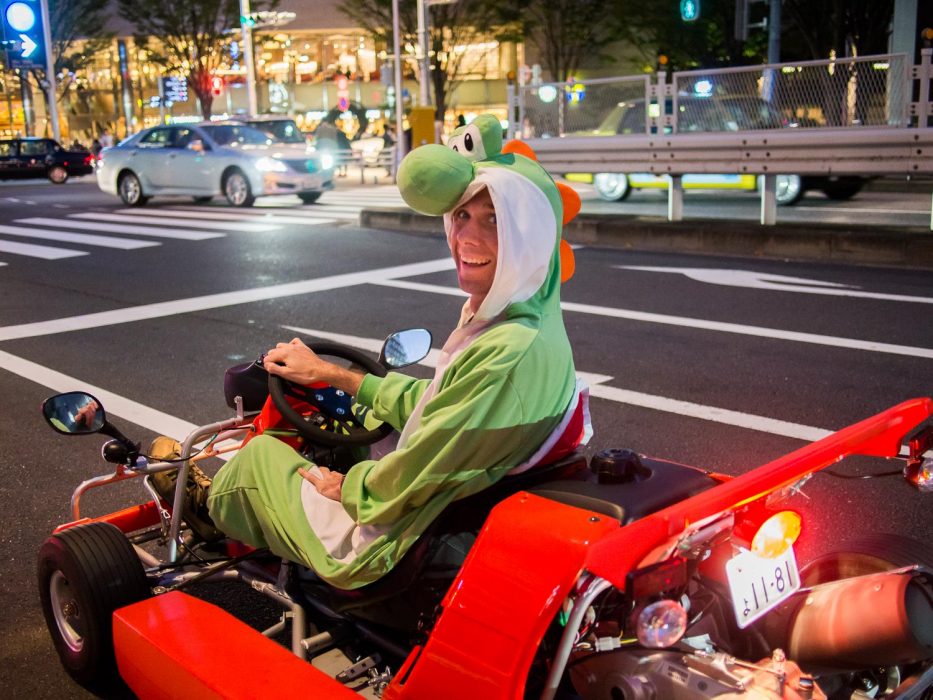
Dressing up as your favourite character and driving a go-kart around the Tokyo streets has to be the coolest thing you can do in Tokyo.
Yes, you drive a tiny go-kart on the real streets of Tokyo amongst cars, buses, and trucks!
Go-karting was a dream come true for Simon, but as I hadn’t driven in years, I spent the first half of the tour terrified and the second half having so much fun!
It’s a surreal experience as you drive past skyscrapers and tiny shrines, busy crossings and quiet residential neighbourhoods, all while people stare, wave, and take your photo.

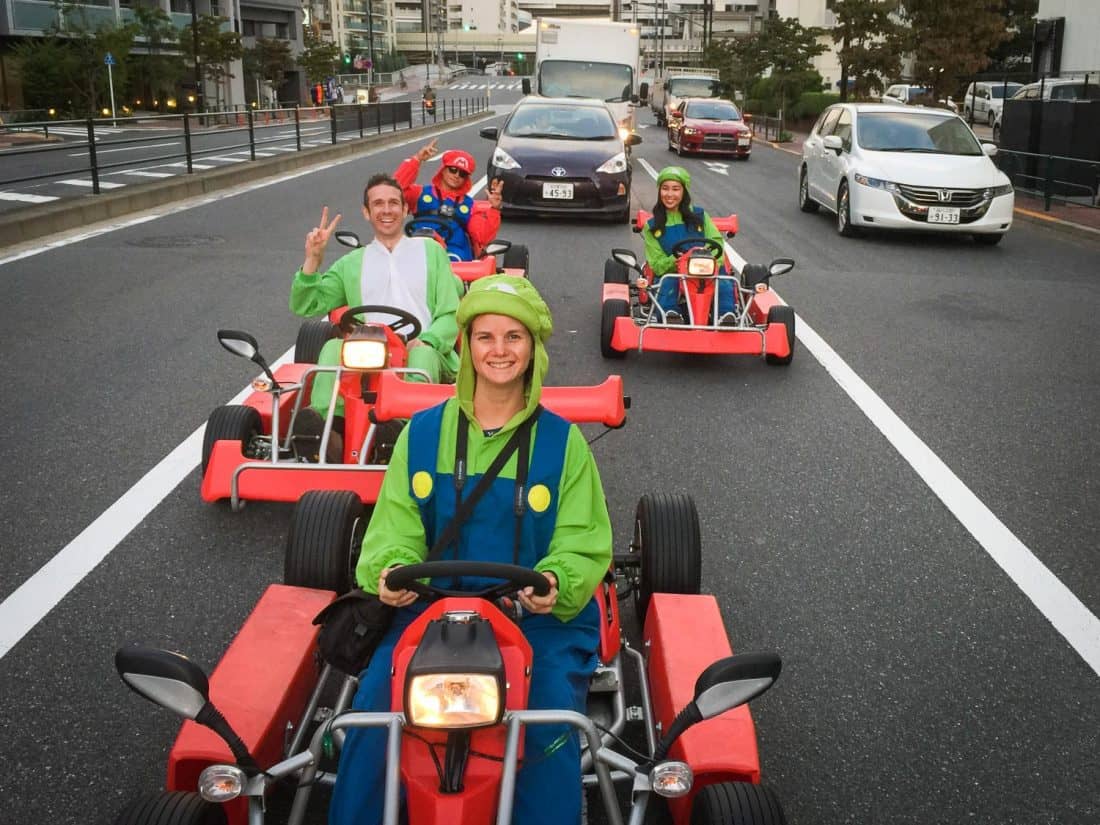
The go-karts are easy to operate, but you need an international driving permit, so make sure you get one before leaving your home country. This is essential and many people miss out by not bringing one.
I recommend choosing a start time just before sunset so you can experience the city in the golden hour as well as the neon lights after dark.
Note: This used to be called Maricar and you could dress up as Mario characters, but Nintendo shut that down. It’s now a similar experience called Monkey Kart where you can choose from a range of costumes. There are a few other providers in Tokyo too.
Details: This 70-minute Asakusa and Skytree Go-Kart Tour costs $85 including costume rental and photos. It takes you to iconic Tokyo places like the Skytree and the geeky neighbourhood Akihabara. Check availability here.
Alternatively, there’s a longer Go-Kart Tour to Shibuya Crossing, Harajuku and Tokyo Tower with a Shibuya by night option as well.
2) Tokyo DisneySea

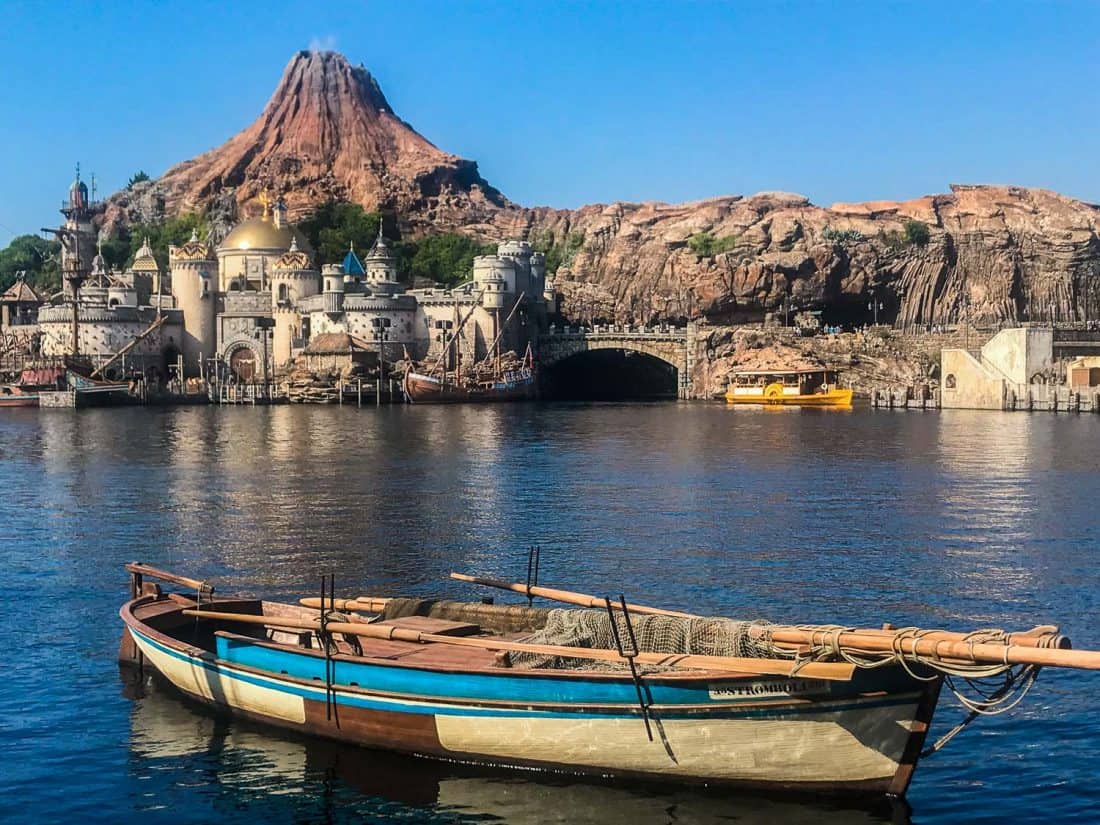
It might seem a waste to spend a day of your Tokyo trip at Disney, but DisneySea is unlike any of the other Disney parks in the world (and is our favourite).
The nautical theme park features eight ports inspired by real places and ocean legends including American Waterfront, Mediterranean Harbor (which looks just like Italy), Arabian Coast, the unique Mysterious Island (with erupting volcano) and the new Fantasy Springs (which is amazing!).
Attractions are more adult-orientated than at neighbouring park Tokyo Disneyland, and you can even have a cocktail in a 1920s lounge aboard a cruise liner.
It’s such a fun day out! Read about our favourite DisneySea rides including a recommended itinerary for adults and tips for avoiding the crowds. If you are visiting in November or December, see our DisneySea Christmas guide.
Tokyo Disneyland is the more classic Disney park with the fairytale castle and much-loved rides like Space and Splash Mountains. If you have the time, spend a day at each.
Although Tokyo Disney is easily doable as a day trip from the city, our favourite way to experience it is to spend a few nights at the luxurious Hotel MiraCosta, right inside DisneySea. It’s expensive and hard to book, but you can’t beat the location and harbour views!
Details: Tokyo DisneySea ticket prices vary depending on the date. One-day tickets cost from 7900 yen ($51) and must be booked online.
The Tokyo Disney website doesn’t always work well for international cards, so we sometimes use authorised agent Klook instead (just show the QR code to enter). They also had availability when Disney had sold out. Buy your Tokyo Disney e-ticket on Klook here.
If you are a theme park fan, we also recommend Universal Studios Japan in Osaka, which is home to thrill-seeking rides, Super Nintendo World (with the new Donkey Kong Country), and the magical Harry Potter World—one of the top Japan tourist attractions.
3) Samurai Restaurant (Replacing Robot Restaurant)

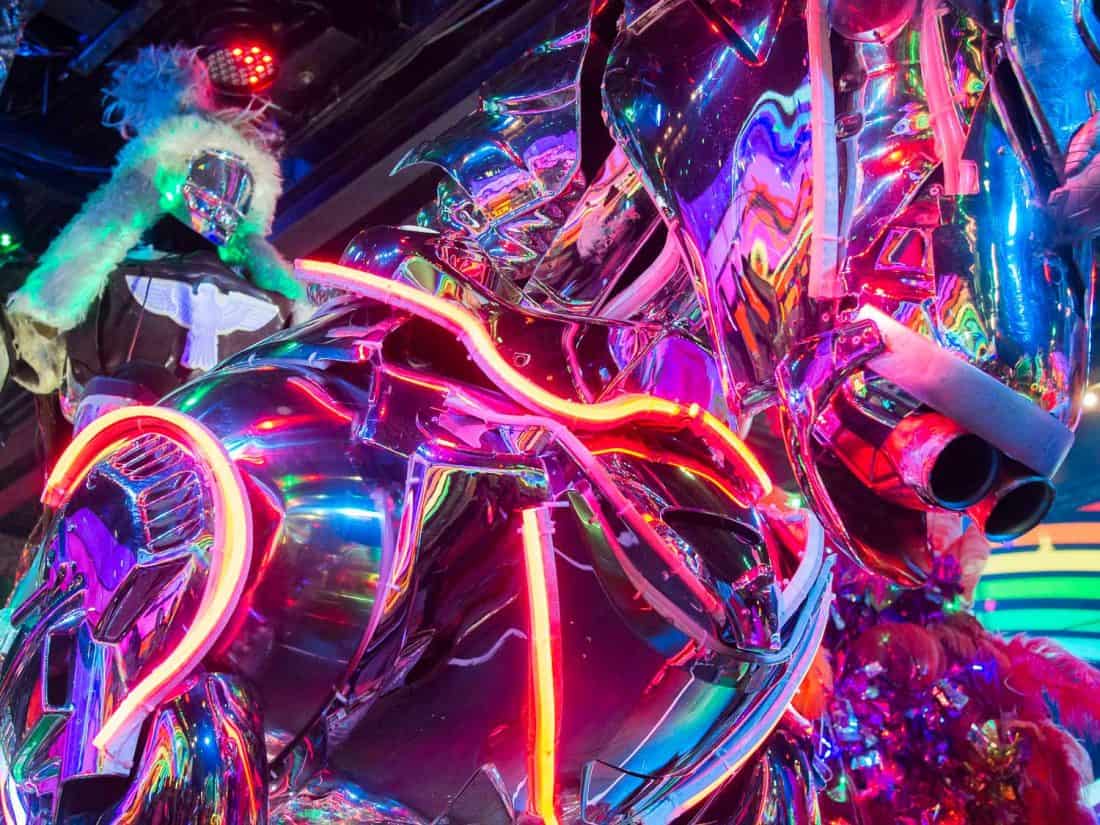
The iconic Robot Restaurant closed in 2020 and was replaced with the Samurai Restaurant in 2023.
This Shinjuku show offers a similar over-the-top experience with energetic dancers, Ninjas, extravagant costumes, a whole lot of neon lights, and really loud music. Expect sensory overload!
Note that it’s not a restaurant (skip the food), and it’s now over 18s only (due to the location not the content).
It’s still one of the weirdest things to do in Tokyo (and you can combine it with other Shinjuku activities).
Is it for you? Read Simon’s entertaining Robot Restaurant review to find out.
Details: You can buy Samurai Restaurant tickets including two drinks on Get Your Guide for $64. Or the morning performance is a little cheaper. Performance times vary but are usually 10.40am, 1.50pm and 4.30pm. It lasts two hours.
It’s a short walk from Shinjuku Station.
4) TeamLab Planets or Borderless Digital Art Museums

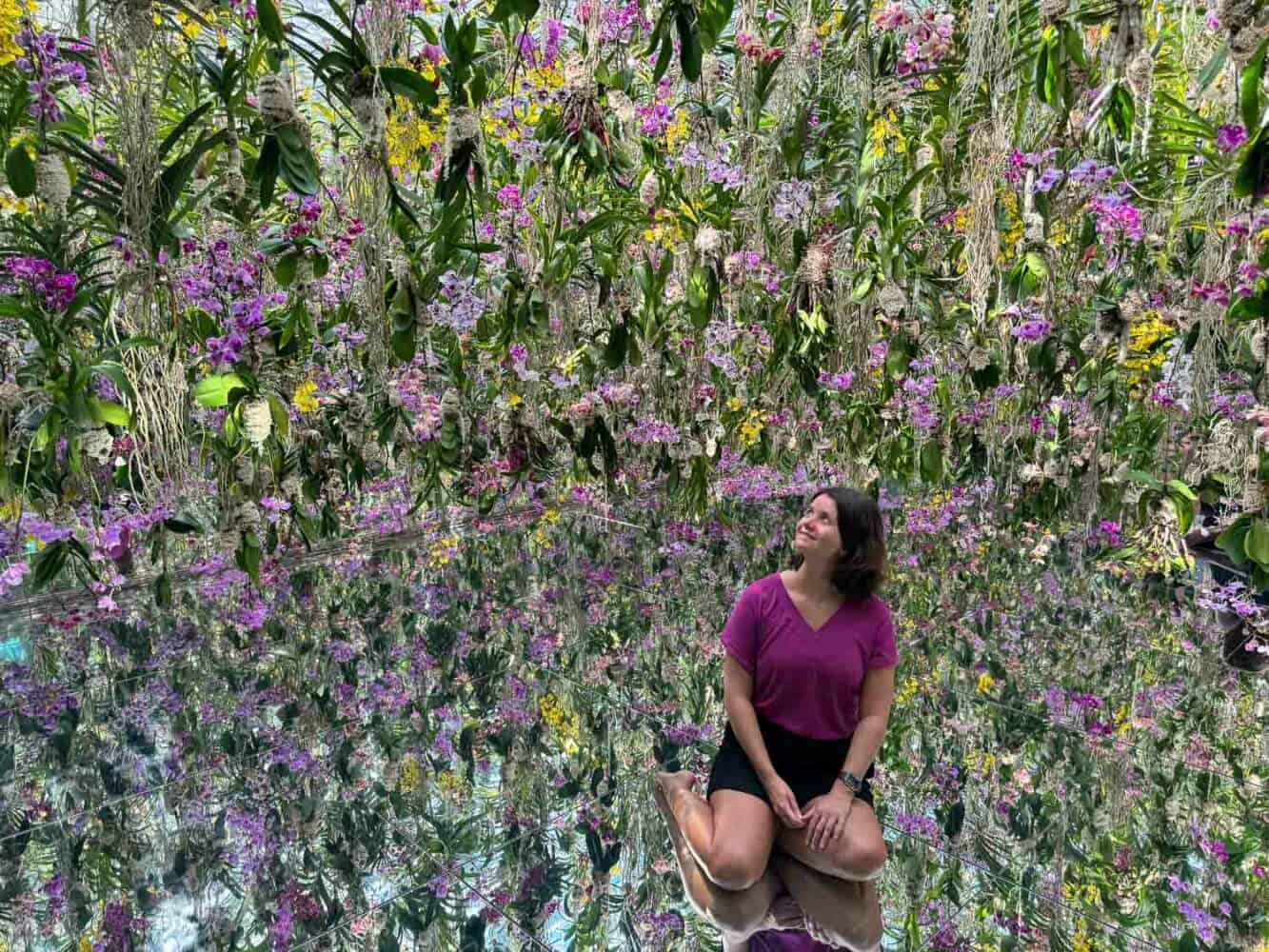
TeamLab exhibitions are unlike anything we’ve experienced before. Their immersive displays use lights, projections, and sounds in creative ways and dissolve the boundaries between the viewer and the art.
They are colourful, surreal, surprising, and fun.


There are two TeamLab museums in Tokyo (and we love both):
TeamLab Borderless is newer and has a more central location (Azabudai Hills). There are some stunning rooms, but it’s less interactive than Planets. See our TeamLab Borderless review.
TeamLab Planets is larger (after a 2025 expansion) but is due to close in 2027. It’s features a water area where you walk barefoot, live gardens, a play area, and a delicious vegan ramen shop.
See our TeamLab Planets review for everything you need to know (including what to wear and how wet you’ll get).
Visiting a TeamLab museum is one of the most unique things to do in Tokyo, so I highly recommend visiting one of them.
Details: Both museums are usually open from 8.30am to 9pm or 10pm, but hours vary. I recommend booking the first slot when it’s quieter. You must book tickets in advance (ideally 1-2 months).
Entrance costs from 3800 yen ($24) to 5600 yen ($36).
You can buy TeamLab Planets tickets and TeamLab Borderless tickets on Klook or direct with TeamLab.
5) Ghibli Museum

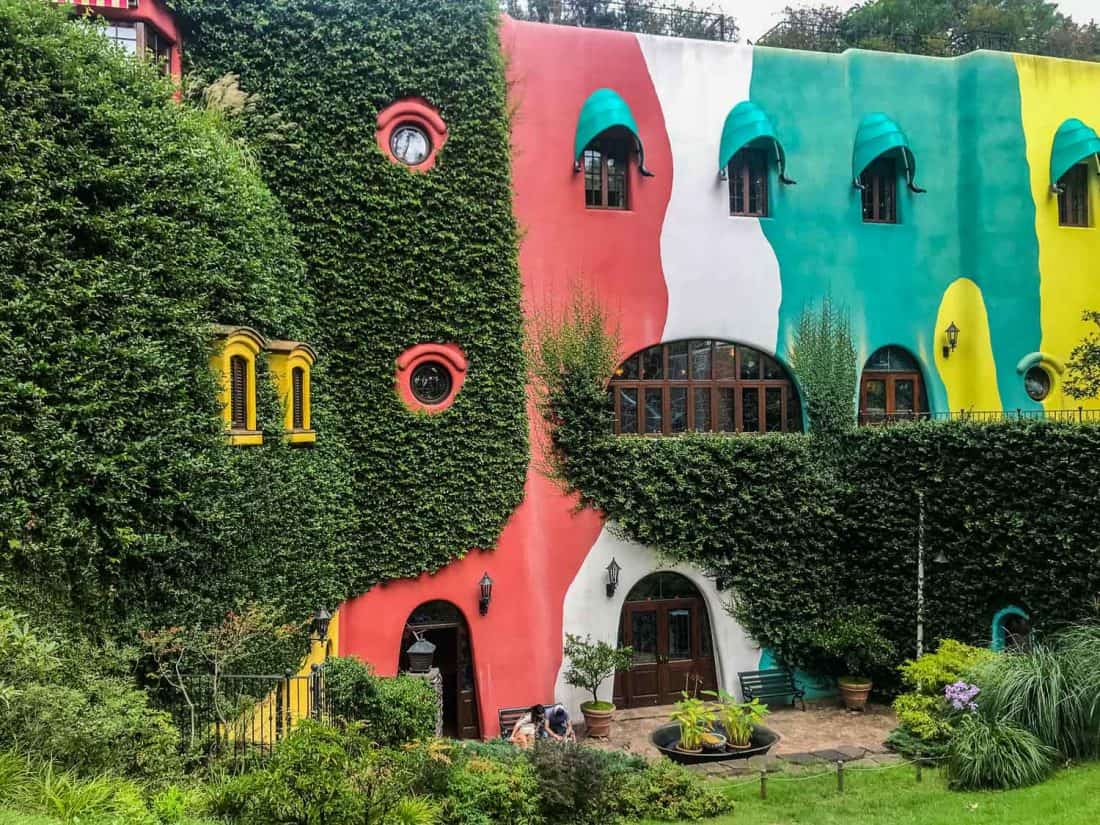
If you’re a Studio Ghibli fan, don’t miss the whimsical Ghibli Museum.
Most of the exhibits and short animations are in Japanese, but it’s still cool to see props and drawings from classic films like Spirited Away and My Neighbor Totoro.
When we visited there was a special exhibition on the food that the characters in the films eat. The attention to detail in every second of the films is astounding.
Details: It’s essential to book tickets in advance—you can find the details on the Ghibli Museum website. Tickets cost 1000 yen ($6.40).
We booked ours online through Lawson—tickets go on sale at 10am JST on the 10th of each month for the following month and sell out quickly. So, if you are visiting Tokyo in November, you must book on 10 October.
The museum is open from 10am – 6pm. It’s closed on most Tuesdays and occasional random weeks.
It’s a 15-minute walk from Mitaka Station and a little longer from Kitoji Station through a pleasant park. Don’t forget your passport. Although they say you need a printout, they can scan the QR code from your phone.
You might also consider visiting the even more immersive Ghibli Park in Nagoya, three hours from Tokyo (using the fastest shinkansen). We visited as a day trip from Kyoto.
6) Wander Harajuku

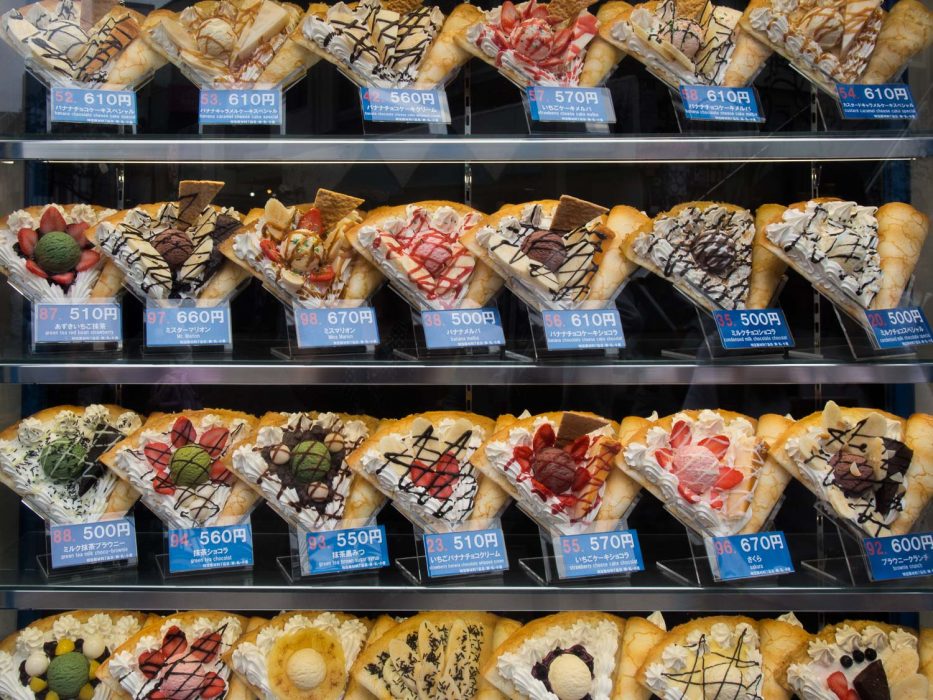
Harajuku is Tokyo’s youth neighbourhood with Takeshita Street at its heart. It’s one of the most vibrant and fun places in Tokyo.
It gets super crowded on weekends, but it’s worth wandering around to see the cosplay kids, browse the quirky fashion stores, and eat from one of the popular crepe stands—crepe stuffed with a slice of cheesecake, anyone?
Nearby you can also visit the elegant shopping street Omotesando, the Meiji shrine within Yoyogi Park, and the Ota Museum (see below).
We also like shopping for high-quality souvenir stickers at B-Side and getting cute coffees at Reissue (see below).
Details: Take the train to Harajuku Station and follow the crowds. Or to explore with a local guide, take this Shibuya and Harajuku Hidden Gems private tour.
7) See Harry Potter Sets on the Warner Bros. Studio Tour
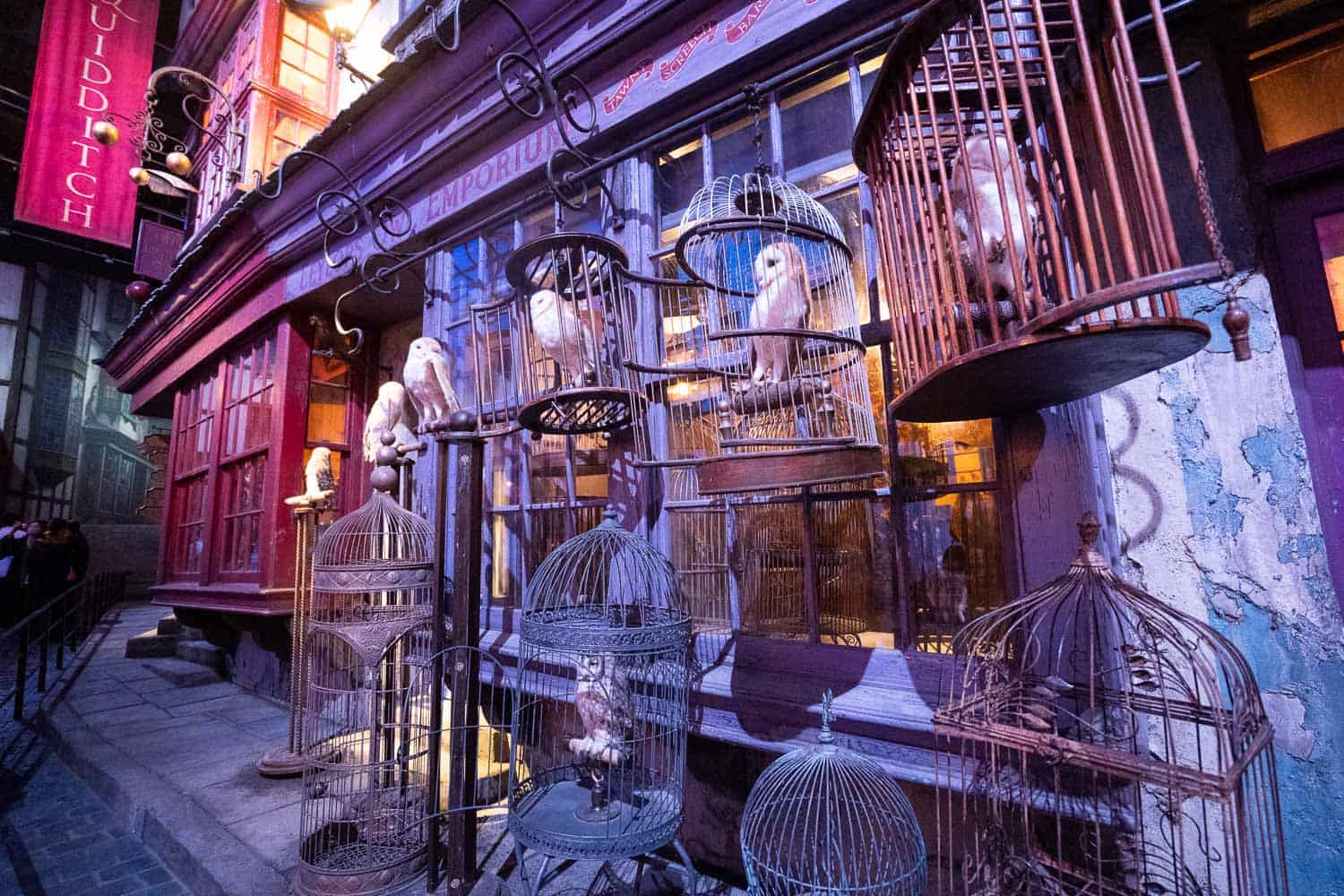
The Warner Bros. Studio Tour Tokyo – The Making of Harry Potter opened in 2023 and is a must for Harry Potter fans (unless you’ve visited the similar studio in London).
The self-guided studio tour features sets, costumes, and props from the Harry Potter and Fantastic Beasts movies.
There are plenty of photo ops and immersive experiences like riding a broomstick and drinking butterbeer. The attention to detail and enormous amount of work that went into making the films is so impressive.
The experience is even more fun if you buy Hogwarts robes in the shop before your visit, as we did.

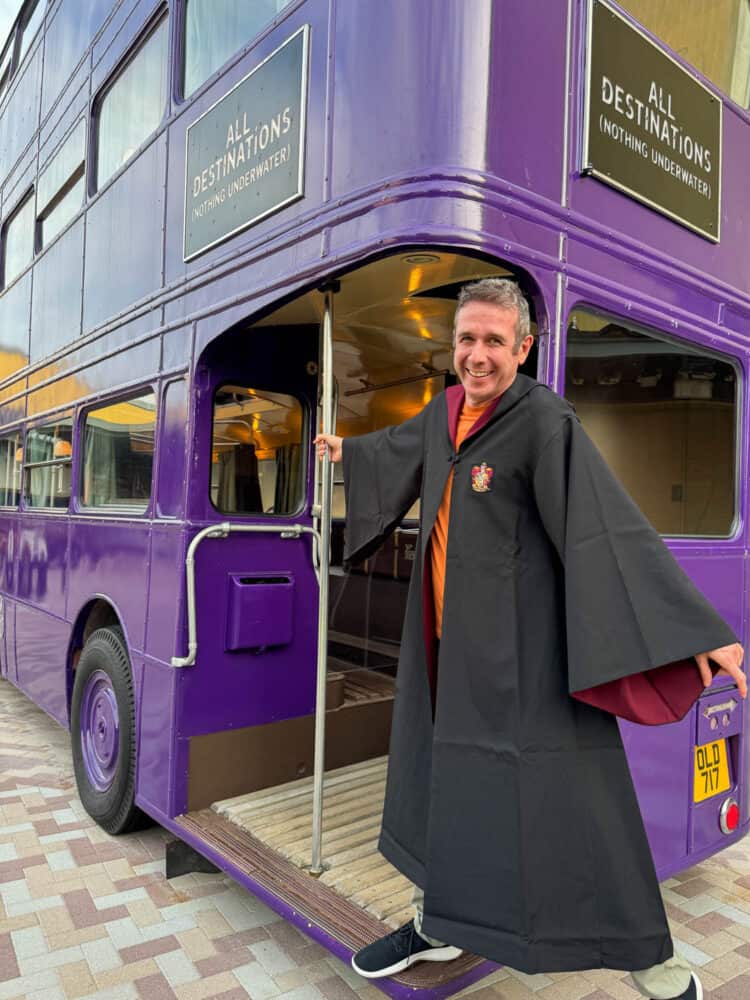
It’s a vast attraction, so allow at least four hours.
Details: Adult tickets cost 6300 yen ($40) and must be booked in advance (morning start times do sell out). You can buy on the Studio Tour website or from Klook (I found they had different times available).
It’s usually open from 9am to 7pm, and it’s best to start no later than 2pm (some people spend all day here).
The Studio is a short walk from Toshimaen Station, which is 20 minutes from Shinjuku Station on the Oedo Line.
8) Explore the Cool Neighbourhood of Shimokitazawa

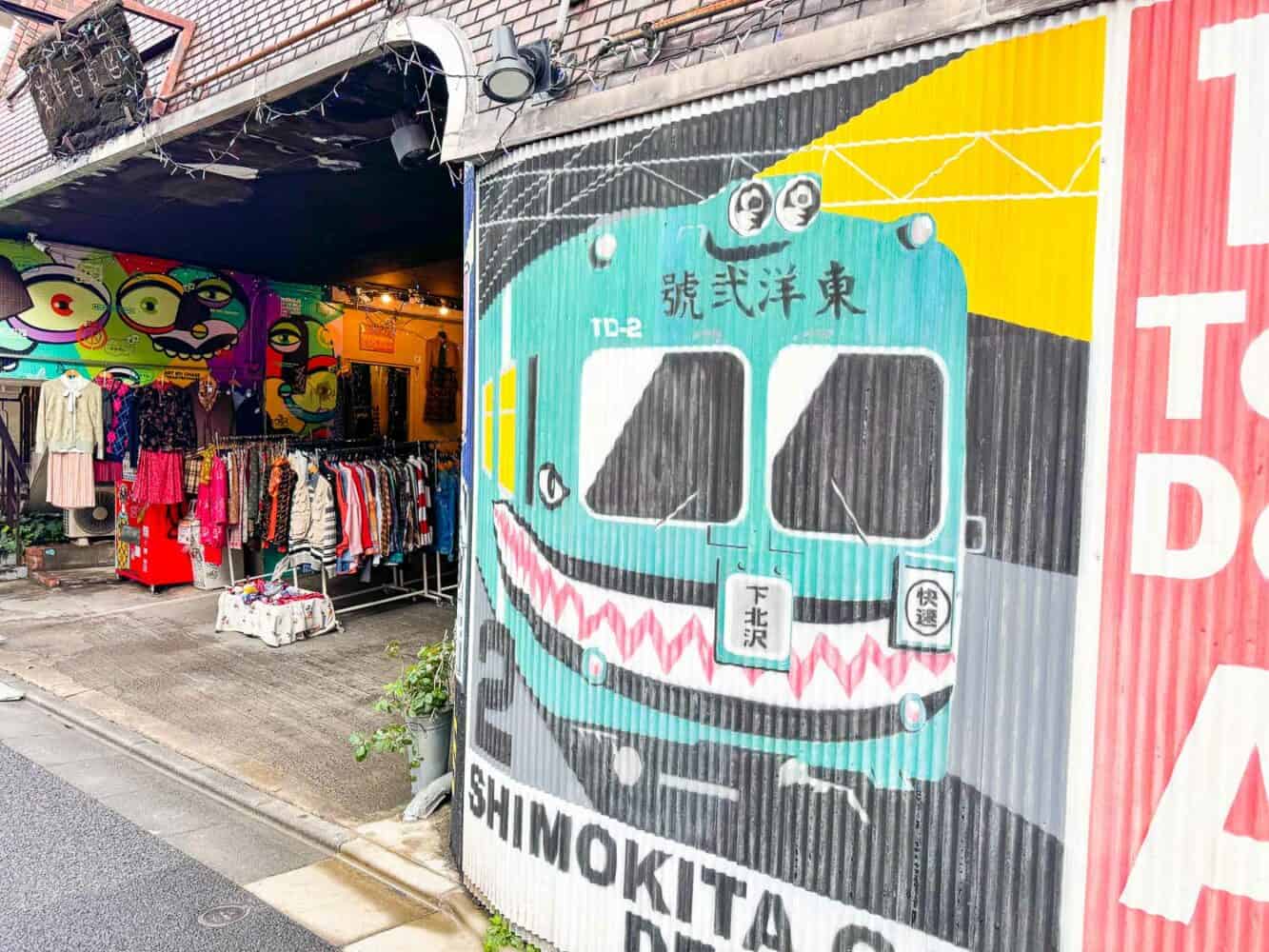
Shimokitazawa is one of our favourite neighbourhoods in Tokyo. This trendy area is popular with young Japanese for its vintage clothes and record stores, funky cafes (with good vegan options), and bars with live music.
While it’s lively on weekends, it’s on a smaller scale than Shibuya and Shinjuku and is a fun place to wander and people-watch (we even saw someone walking a ferret!).
Don’t miss Reload, a cool complex with restaurants, shops, and an art exhibition. Simon loves the Ogawa Coffee Laboratory, where you learn how to brew the perfect cup.
I recommend combining shopping and eating in Shimokitazawa with a Totoro cream puff from Shiro-Hige’s and the Gotokuji Temple (see below).
Details: Shimokitazawa Station is a 3-minute train ride from Shibuya Station on the Keio Inokashira Line or 7 minutes from Shinjuku on the Odakyu Line.
Traditional Things to Do in Tokyo
9) Sensoji Temple

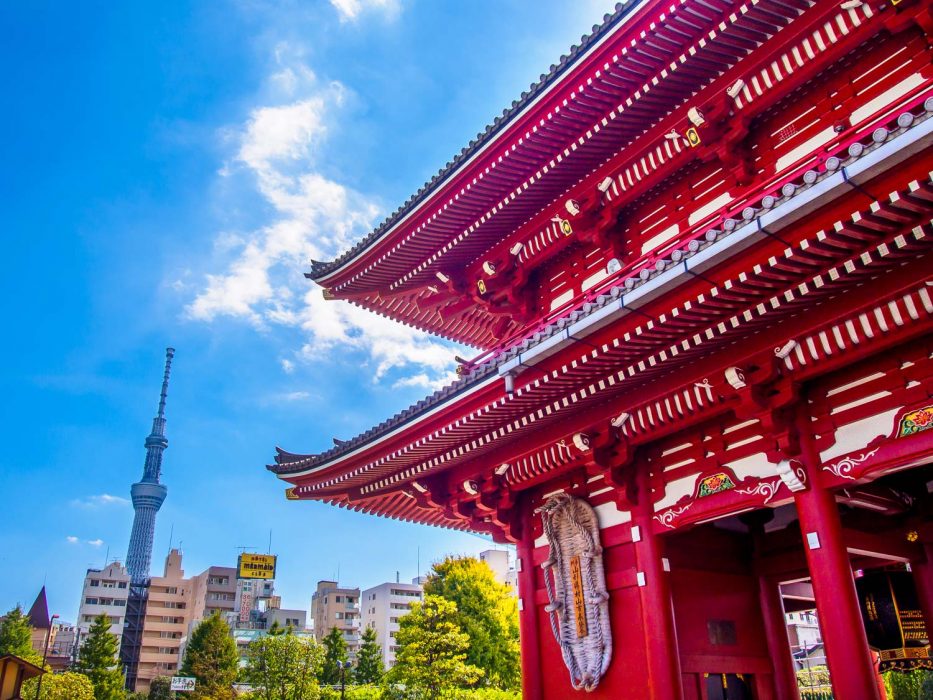
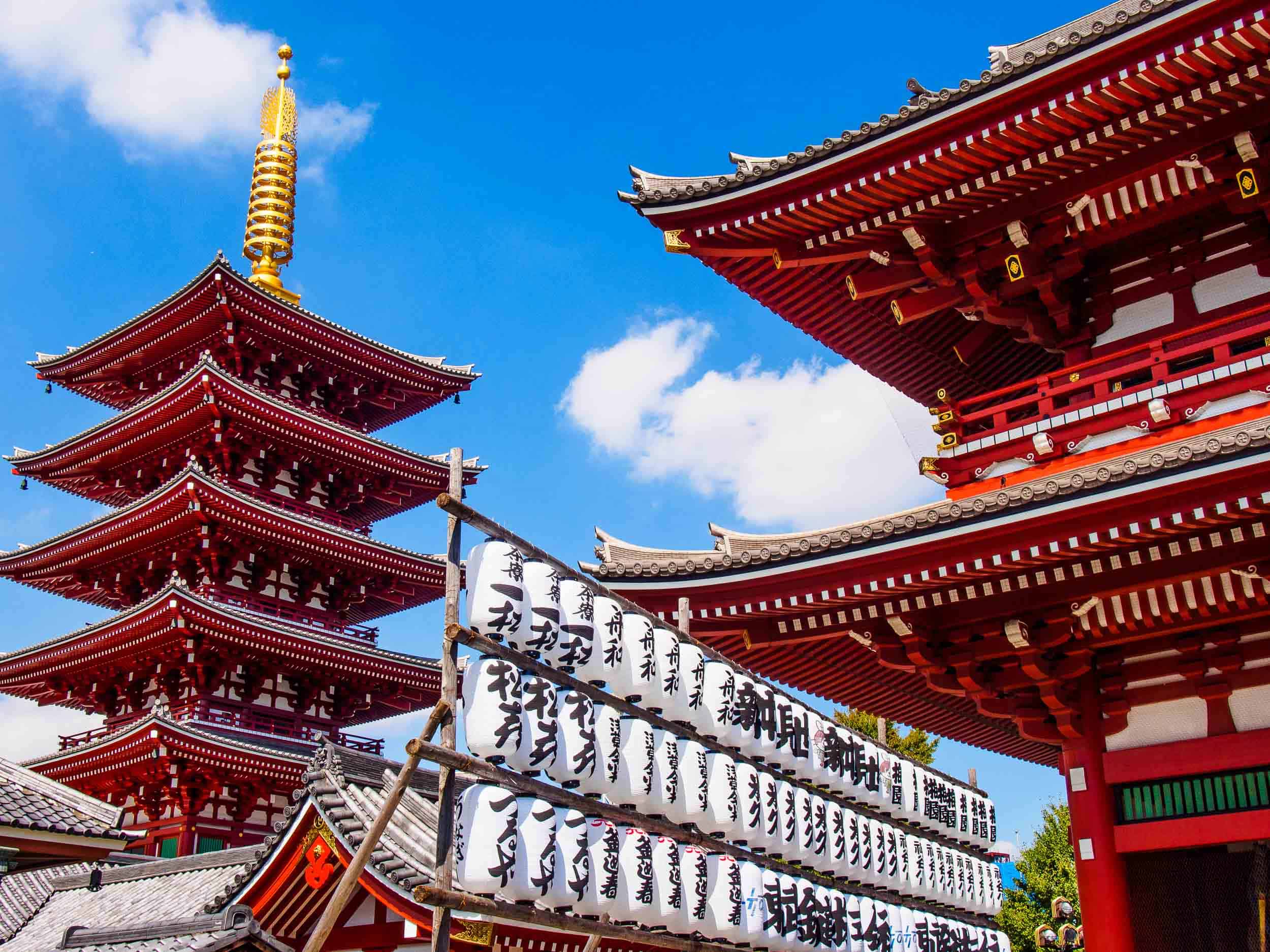
Sensoji is a Buddhist temple in Asakusa, one of Tokyo’s most traditional neighbourhoods where you can still find old wooden shops amongst the concrete. It’s one of the most beautiful things to see in Tokyo.
The vibrant red temple gets crowded, but you can escape by wandering off through the gardens to one of the quieter shrines.
In the main area, make sure to get your fortune told and cover yourself in incense for good luck.
Nearby head up to the 8th floor of the Asakusa Culture Tourist Information Centre opposite Asakusa Station for free views of the Tokyo Skytree (the world’s tallest tower) and the Nakamise shopping street leading to Sensoji.
Details: Take the Ginza subway line to Asakusa. Entrance is free and the temple grounds are always open.
10) Ota Memorial Museum of Art
The Ota Memorial Museum in Harajuku is a small gallery with changing exhibits of beautiful ukiyo-e, Japanese woodblock prints.
We were lucky enough to see the 36 Views of Mount Fuji by Hokusai including the famous Great Wave off Kanagawa.
Details: 1000 – 1200 yen ($6.50-8) entrance fee (cash only) depending on the current exhibition. It’s open from 10.30am – 5.30pm. Closed on Mondays and for certain holidays (check the calendar on their website). Take the train to Harajuku Station.
11) Shinjuku Gyoen National Garden

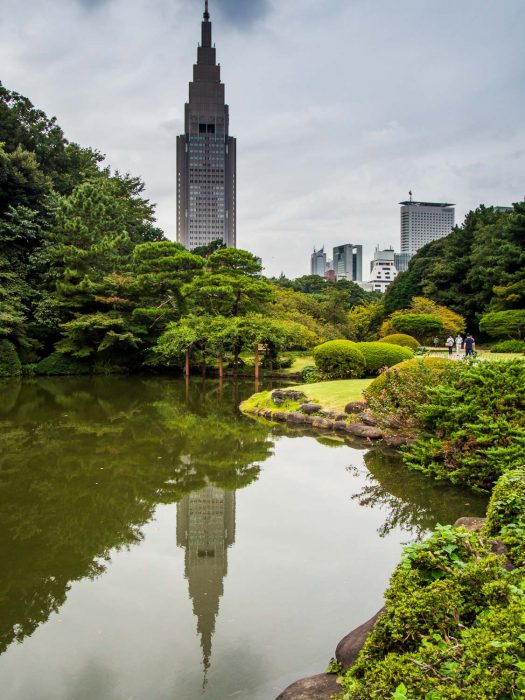
This beautiful park is at its best when the cherry blossoms are blooming or the autumn leaves have turned red, but even in late summer, we enjoy strolling past the ponds, pagodas, and teahouse.
There are Japanese, French, and English gardens.
It’s a wonderful oasis from the busy city and having a picnic on the large lawns here is one of our favourite things to do in Shinjuku, especially under the cherry blossoms. They have late blooming blossoms if you miss the main early April season.

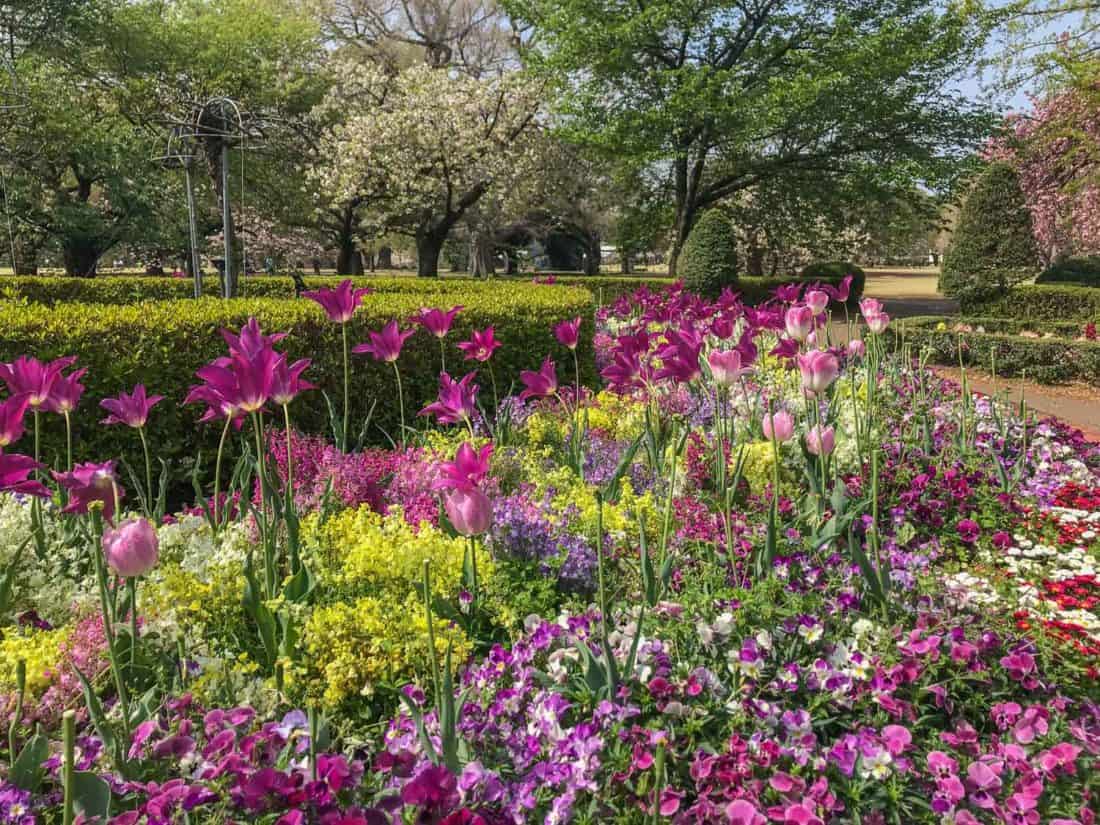
Details: Entrance to Shinjuku Gyoen is 500 yen ($3.20). Tap in with your IC transport card to avoid the ticket queues. Open 9 am – 4pm (later in summer). Closed on most Mondays.
The Shinjuku Gate entrance is a 10-minute walk from the New South Exit of Shinjuku Station.
12) Watch Sumo

Japan’s national sport is steeped in tradition and sumo matches still include rituals that date back to its origins as part of the Shinto religion.
Sumo wrestling tournaments take place in Tokyo in January, May and September, each lasting for 15 days. If you are visiting at this time, try to get a ticket.
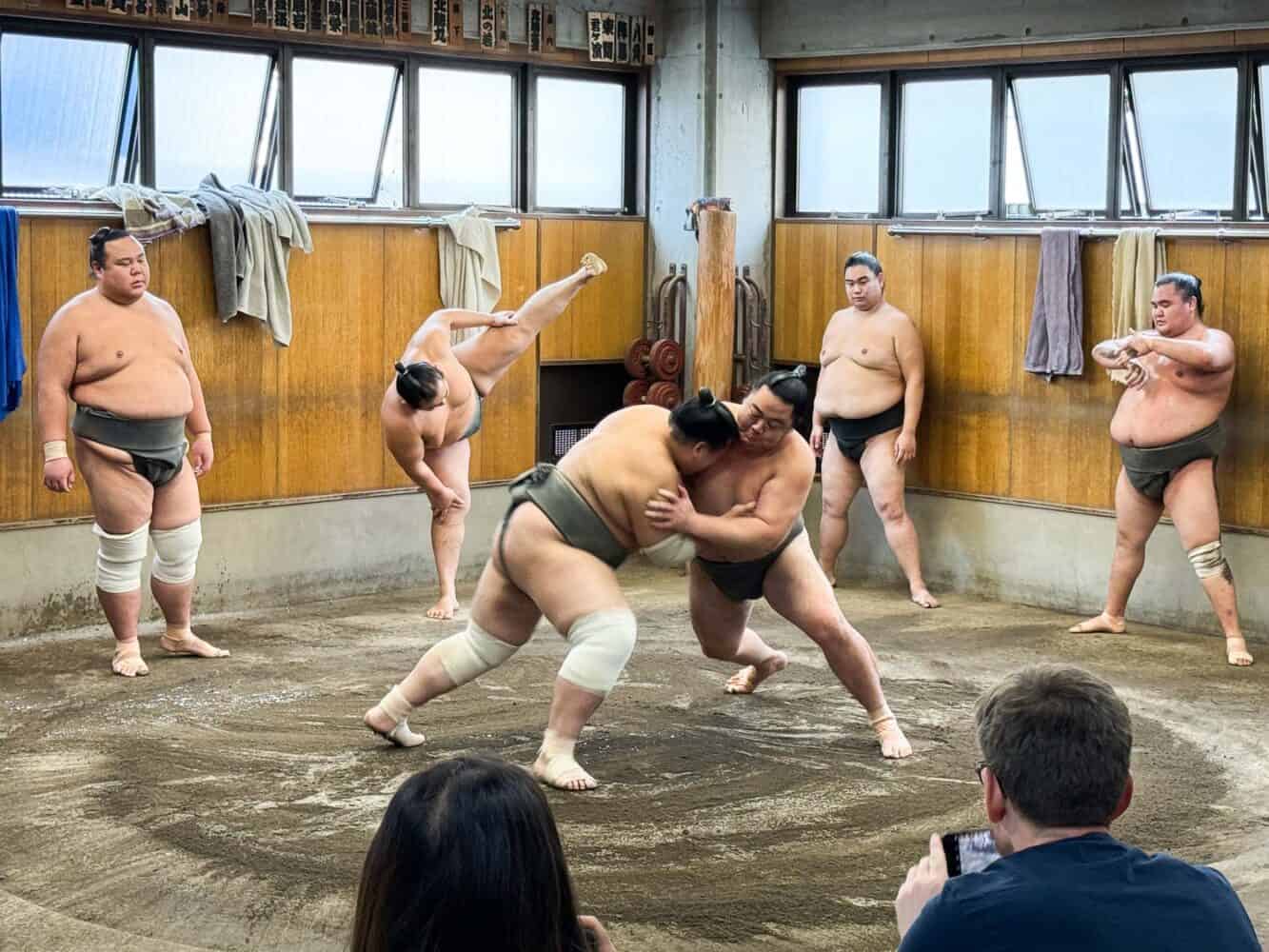
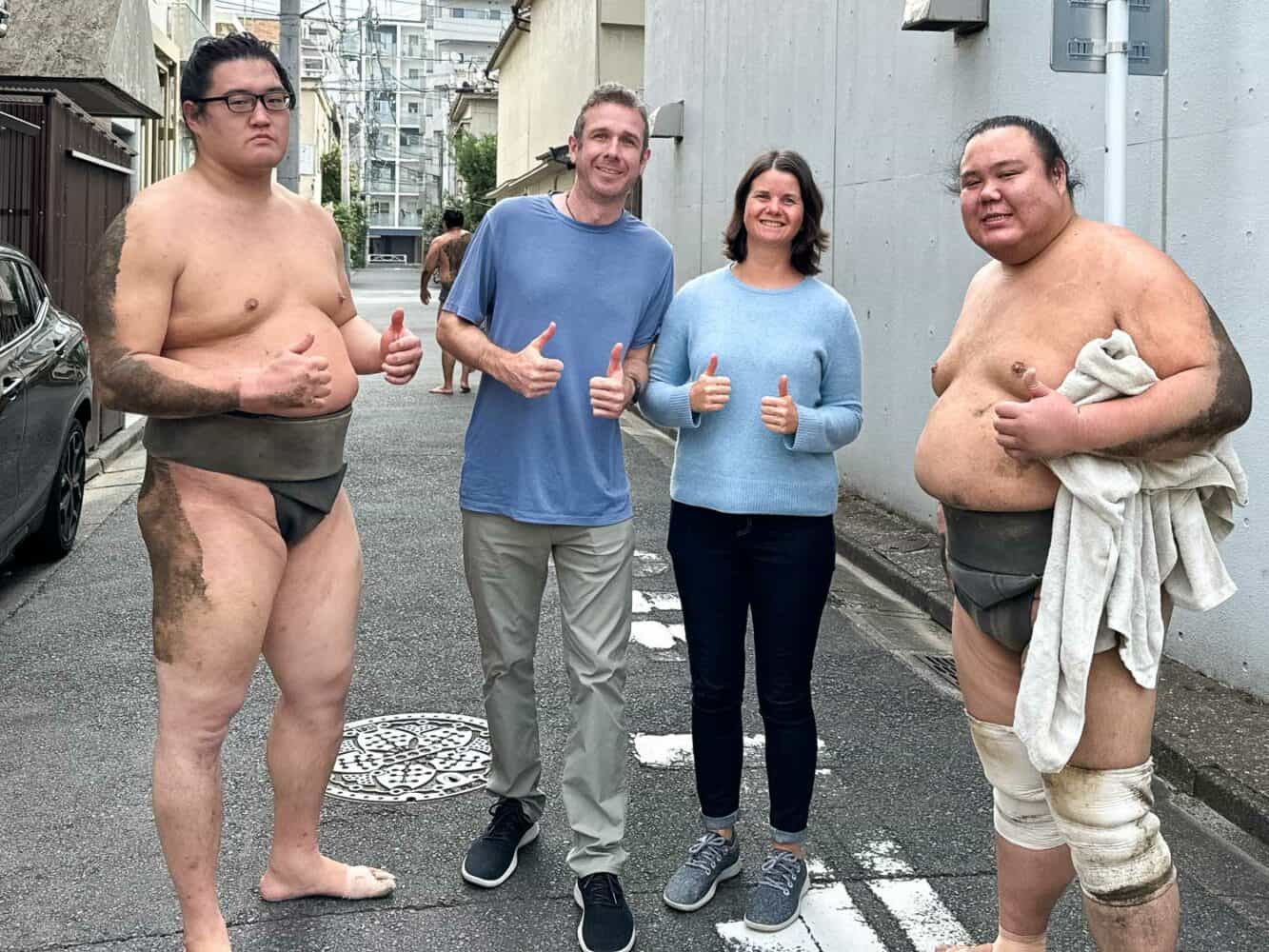
During the rest of the year you can attend a practice session at a sumo stable, which was one of our most memorable Tokyo activities.
At sumo training sessions you are much closer to the action, but you must stay absolutely quiet while sitting on the floor (or on small stools) as you watch (for 1-2 hours).
It is a fascinating and intimate experience seeing these immensely powerful sumotori stretch and spar just a few metres away on the dirt dohyo (ring) that looks like it hasn’t changed in a century.

I recommend the novel The Street of a Thousand Blossoms for an insight into sumo culture.
Details: We did this Sumo Morning Practice Viewing Tour. We met our guide at 7.30am at JR Ryogoku Station. He explained what to expect and then we walked 10 minutes to the stable, where we watched the training from 8am – 9.30am (timings vary).
13) Gotokuji Lucky Cat Temple

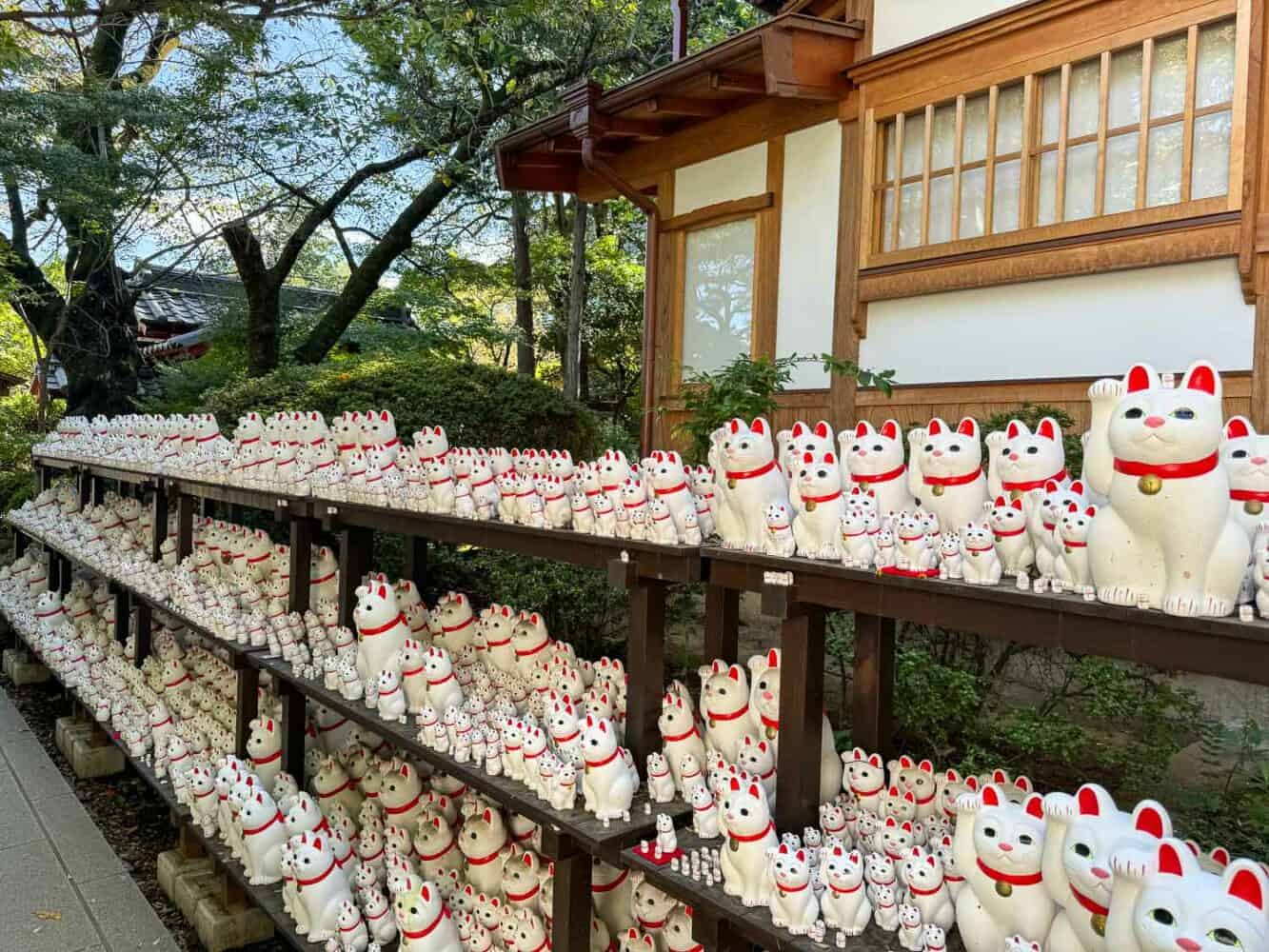
In shops and cafes in Japan, you’ll often see figurines of the maneki-neko or beckoning cat, which is believed to bring good luck.
Gotokuji Temple is known as the birthplace of the maneki-neko and is well worth a visit, especially for cat lovers.
Located in a pleasant residential neighbourhood in Setagaya, the temple is a peaceful place to wander and see the thousands of maneki-neko statues.
There’s a temple shop where you can buy your own cat, but most sizes had sold out on our visit, and there was a limit of one per person. We got a teeny tiny one for 500 yen.
Details: Gotokuji is open from 6am – 5pm (the shop opens at 8am). Entrance is free. It’s a 10-minute walk from Gotokuji Station, which is 4 minutes by train from Shimokitazawa or 16 minutes from Shinjuku. Look out for the cat train on the Setagaya line.
14) Quiet Temples and Vegan Food in Jiyugaoka

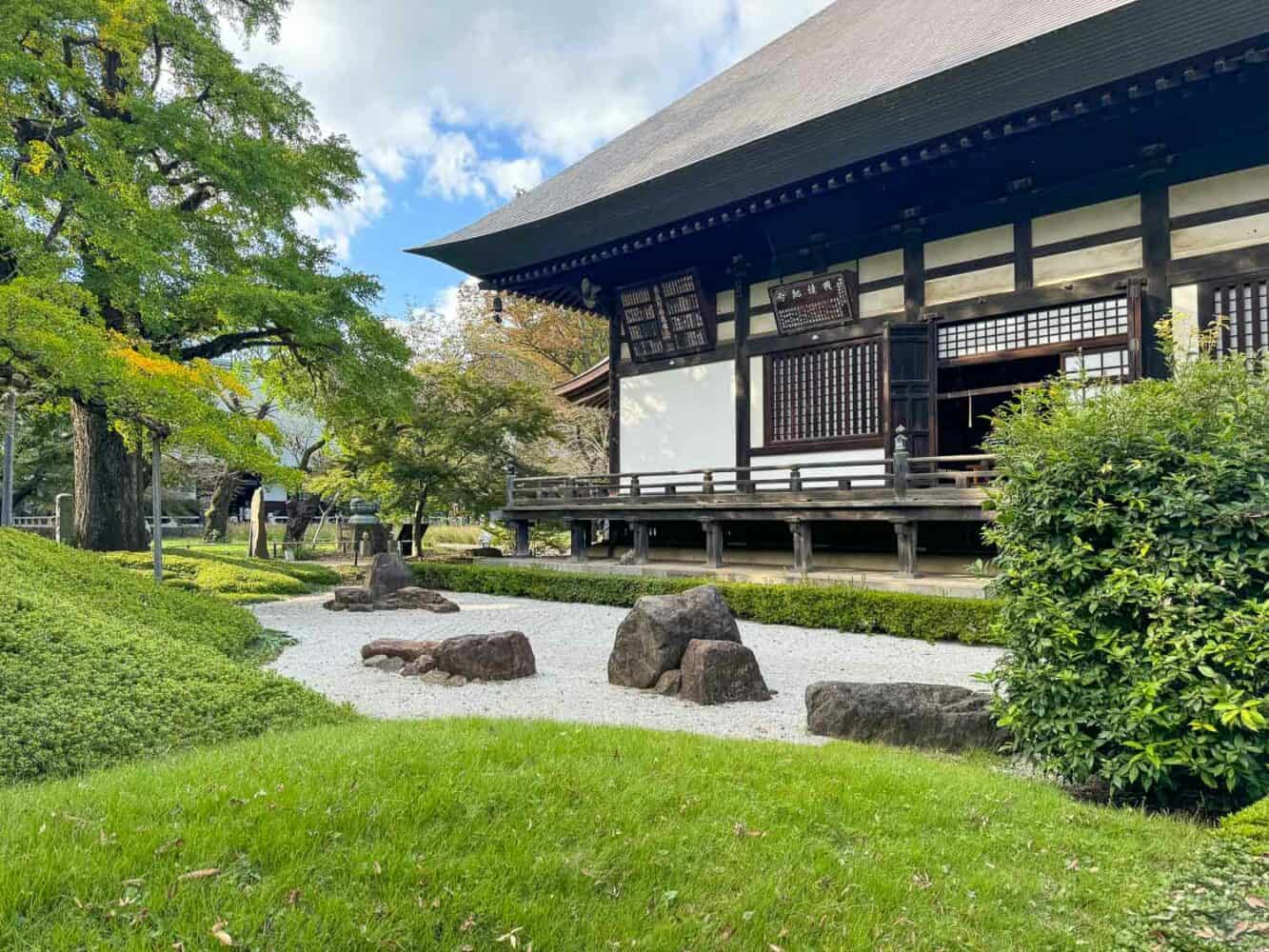
The crowds in Tokyo can get a bit much, so we were pleasantly surprised to discover Kuhonbutsu Joshin-ji, a peaceful temple in the woods just a short walk from the bustling centre of Jiyugaoka.
This neighbourhood isn’t often visited by foreigners, but it’s popular with locals for its stylish shops, dessert cafes, and European ambience. We were there for lunch at Saido, one of the best vegan restaurants in Tokyo (advance bookings essential).
Combined with Kuhonbutsu Joshin-ji and Jiyūgaoka Kumano-Jinja, it was a fun afternoon in a quieter part of Tokyo.
Details: Jiyugaoka Station is a 10-minute train ride from Shibuya. It’s a 10-minute walk to Kuhonbutsu Joshin-ji from the station.
Foodie Things to Do in Tokyo
Tokyo is foodie heaven with some of the best eating in the world from cheap eats to fine dining.
Even vegetarians are well-catered for, as long as you know where to look—see our picks for the best vegetarian restaurants in Tokyo.
15) Splurge on a Kaiseki Meal

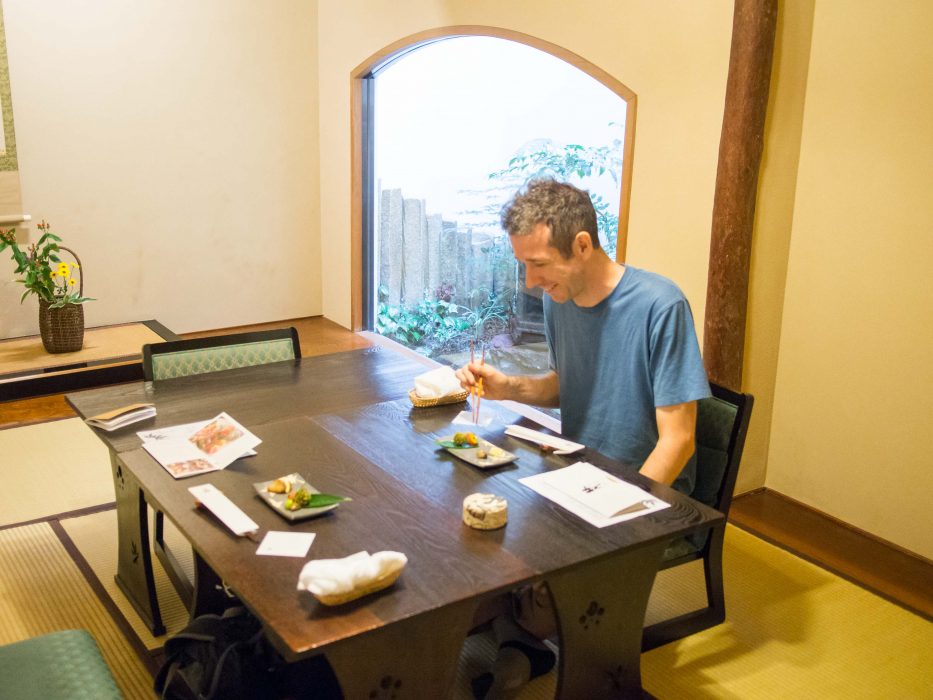
Kaiseki is a traditional Japanese multi-course tasting meal using seasonal, beautifully presented ingredients.
Enjoying one of these exquisite meals in a private tatami mat room is a memorable experience.
They are expensive, so it’s best to go for lunch, which is much cheaper than dinner.
Vegetarians don’t have to miss out—shojin ryori or fucha ryori is the Zen Buddhist vegan equivalent of kaiseki.
We had a wonderful 12-course meal at Bon, a beautiful and tranquil space with miniature gardens, fountains, and private tatami mat rooms with sliding paper doors. Our vegetarian Tokyo guide has more details.
16) Sakurai Japanese Tea Experience

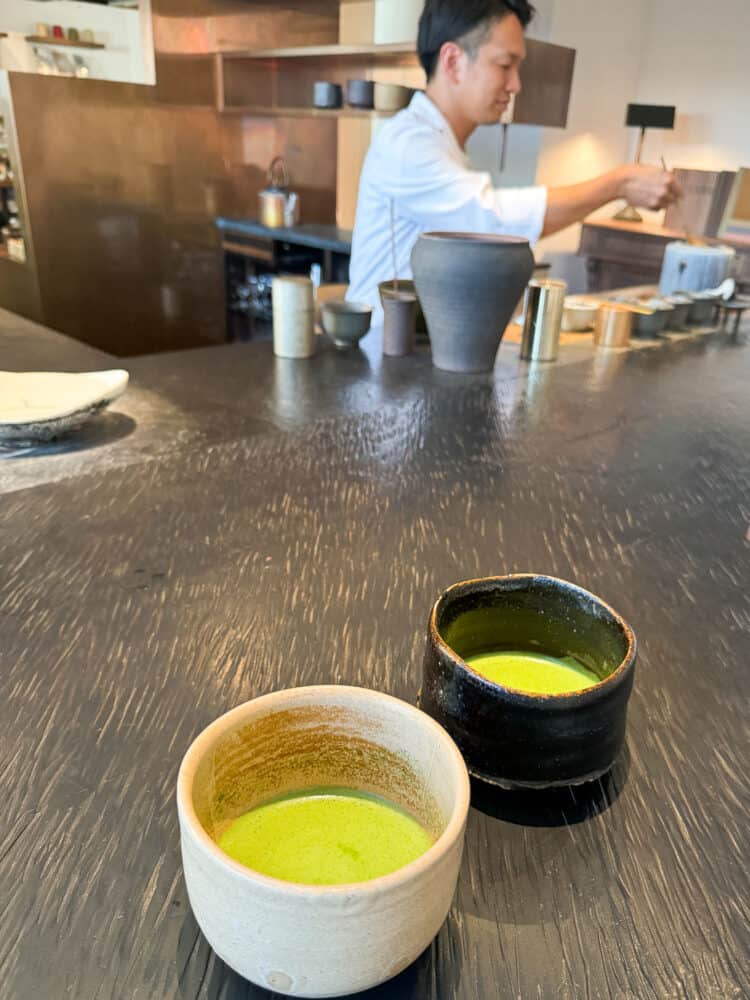
Sakurai Tea Experience is a must do in Tokyo for green tea lovers. It’s much more than a cafe—it’s a whole experience, a modern take on traditional tea making, and a serene escape from the city.
The stylish, minimalist space seats just eight people at the counter, where you watch the tea masters at work, brewing each drink with meticulous care.
You can choose just one tea, but I highly recommend going for the full Tea Course experience.
You start with exquisite gyokuro (grown in the shade) brewed in three ways, move on to hojicha (straight from the roasting pan), and finish with umami-rich matcha. Each is accompanied by a sweet or savoury snack.
We’ve been twice we love it so much.
Details: Sakurai Tea Experience is on the 5th floor of the Spiral shopping mall. It’s a 15-minute walk from Shibuya Station or one minute from Omotesando Station. It’s open from 11am – 7pm (11pm on weekdays when it turns into a bar).
Booking is essential (ideally a month in advance if you have a specific time in mind) and is easily done on Tablecheck. The Tea Course costs 5500 yen ($35).
17) Order Ramen from a Vending Machine

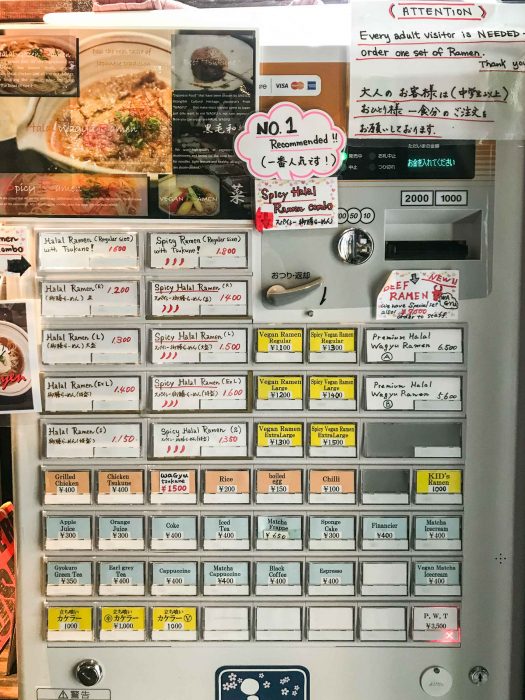
Don’t worry, you won’t be eating instant ramen! At many ramen restaurants in Tokyo you order your meal and pay at the vending machine by the entrance, then take a seat at the counter and hand your ticket over to the chef.
There are thousands of ramen joints in Tokyo. As vegetarians we love T’s Tantan, an entirely vegan ramen restaurant in Tokyo Station (sadly no vending machine). The Afuri chain has vegan ramen and you order from a vending machine.
18) Eat at a Department Store Food Basement
For an intriguing introduction to Japanese food, head downstairs in one of the city’s massive department stores like Takashimaya or Isetan.
The food basements are full of culinary delights from sake to sushi including pickled vegetables, odd-flavoured kit kats, dozens of varieties of rice crackers, beautiful bento boxes, and hundred-dollar melons.
Most of the time we had no idea what we were looking at, but if you’re not vegetarian, these are great places to pick up a picnic lunch.
19) 3D Latte Art at Cafe Reissue

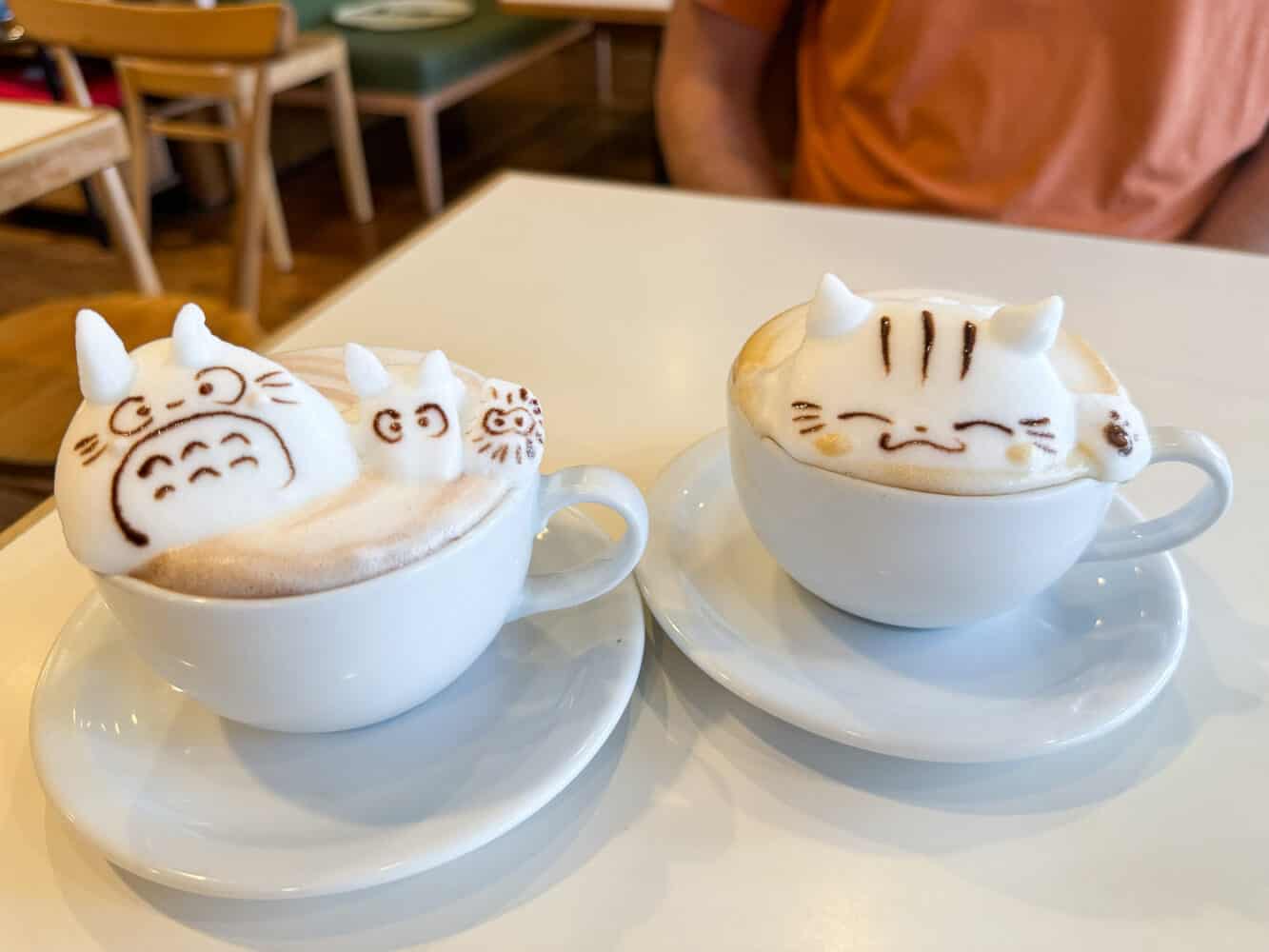
For the ultimate kawaii (cute) drink in Tokyo, head to Cafe Reissue, where they take latte art to the next level with 3D art sculpted from milky foam.
Choose from coffee or chocolate (hot or cold), and select your design from the menu or show them a photo of your own (perhaps your pet).
The baristas are seriously impressive, and we loved our Totoro and cat creations. While they aren’t the best-tasting drinks you can get in the city, they are the most fun.
Details: Cafe Reissue is a 10-minute walk from Harajuku Station. It’s open from 10am – 7pm and closed on Mondays.
It’s popular, so go on a weekday and expect to put your name down and return later (there’s lots to see in the area).
A hot 3D latte art drink is 1500 yen ($10) and is cash only. Switch to almond milk for an extra 100 yen.
Are you a serious coffee drinker? If you love speciality coffee, Tokyo has some excellent (but pricey) options. Simon recommends Glitch in Jimbocho and Mameya (standing only) in Shibuya.
20) Try a Totoro Cream Puff

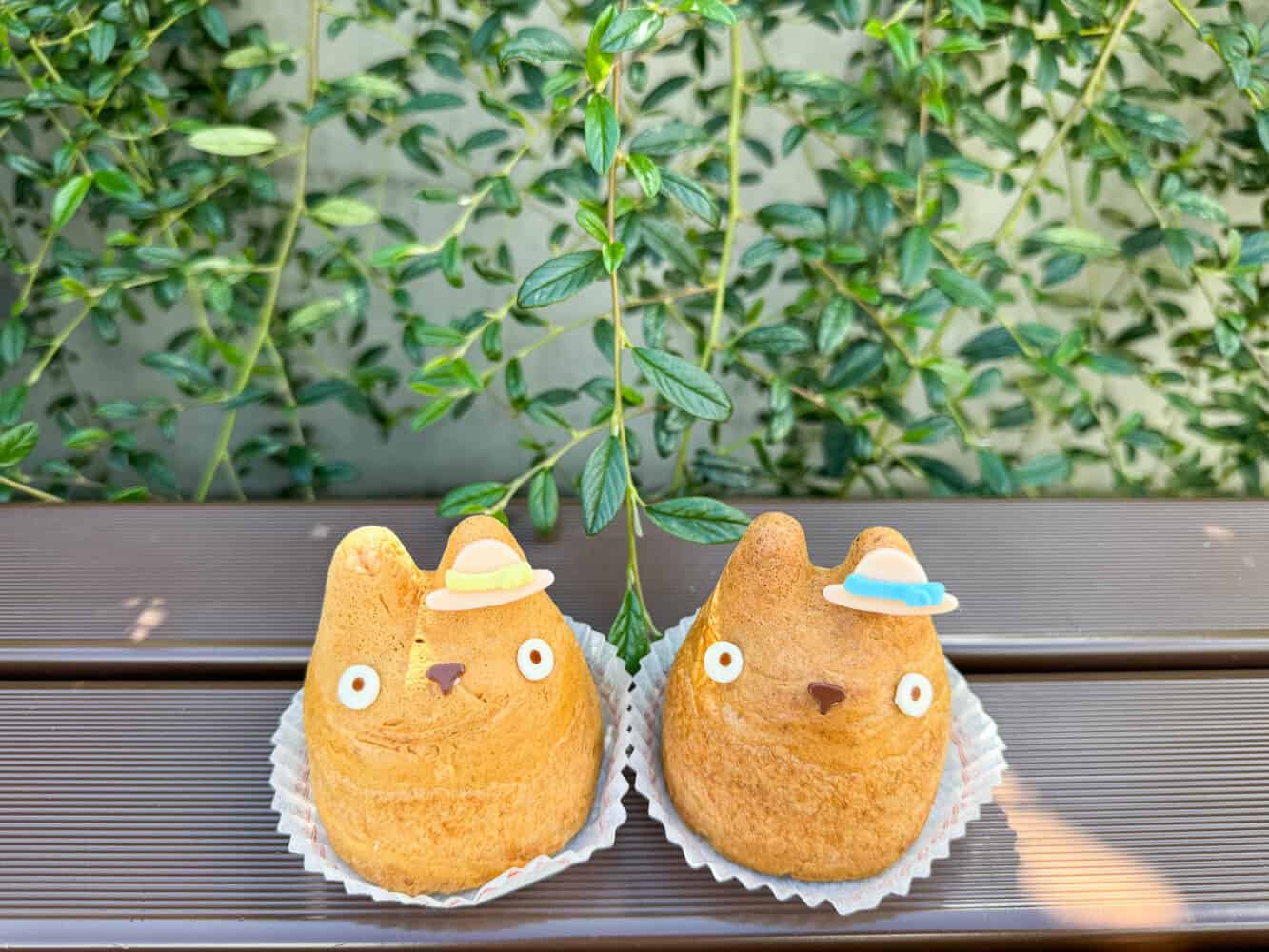
For one of the cutest desserts in Tokyo, head to Shiro-Hige’s Cream Puff Factory for a Totoro-shaped pastry.
Based on the beloved character from the Studio Ghibli film, My Neighbour Totoro, these puffs are stuffed with cream in seasonal flavours, such as strawberry or chestnut. The classic chocolate was our fave.
There are two branches and we went to the one near Shimokitazawa (see above for more about this bohemian neighbourhood).
It’s always busy (and they sell out), so go at opening on a weekday, head into the shop on the ground floor for takeout, and skip the long queue for the cafe upstairs.
We walked around the corner to the Bonus Track shopping area, where there are benches to enjoy your treat.
Details: Shiro-Hige’s Cream Puff Factory in Daita is located in Toro Coffee & Bakery, a 10-minute walk from Shimokitazawa Station. It’s open from 10.30am – 6pm and closed on Tuesdays.
A cream puff costs around 600 yen (cash only).
The other branch is in Kichijoji (takeout only), a 20-minute walk from the Ghibli Museum.
Things to Do in Tokyo at Night
21) Memory Lane

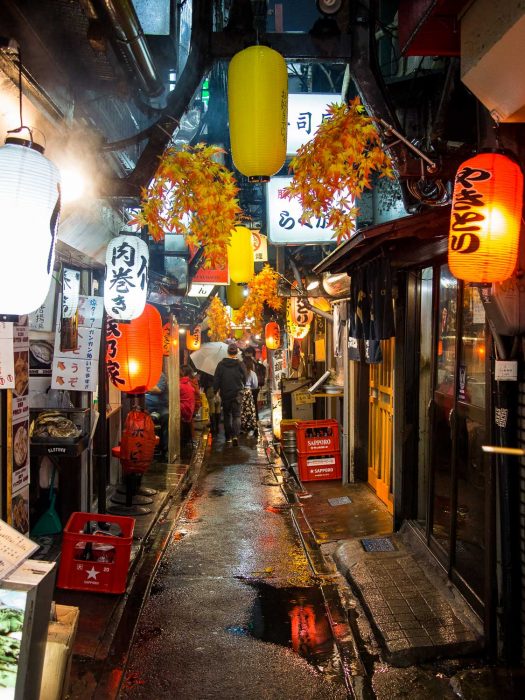
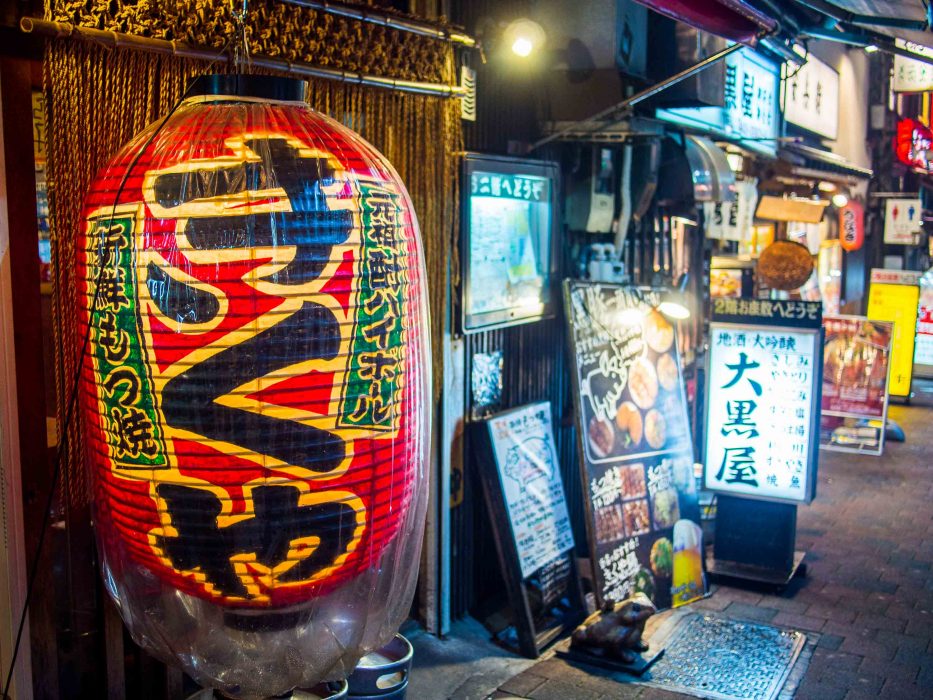
Memory Lane (Omoide Yokocho) is also known as Piss Alley from its post-WW2 roots when toilet facilities were non-existent.
Public toilets are now available, but you’ll still feel like you’ve stepped back in time as you wander the narrow alleyways full of tiny yakitori restaurants seating just a handful of people at the counter.
Another nickname for the street is Izakaya Alley because it’s known for these small bars serving drinks and snacks.

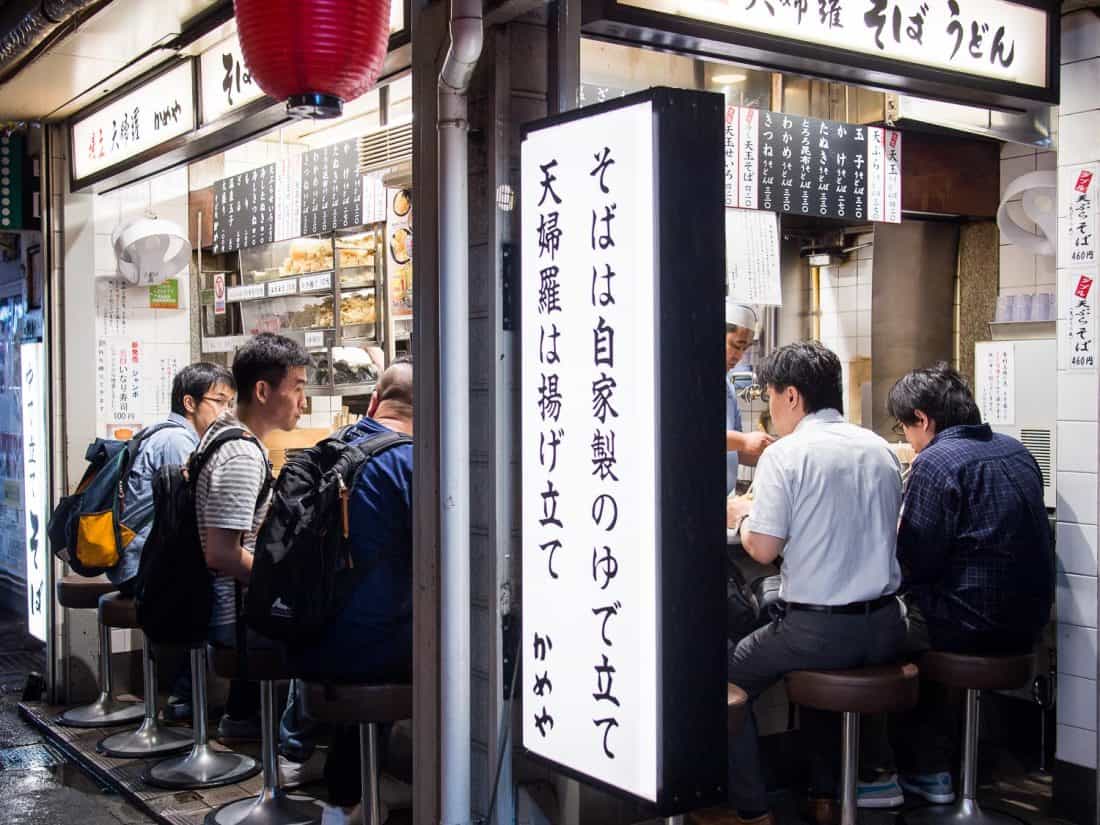
With its red lanterns and smoke from the grills, it’s an atmospheric place to wander.
Most of the menus are in Japanese, but you can always point to the skewers you want.
As we don’t eat meat, we ate at the less atmospheric but tasty CoCo’s Ichibanya Curry House instead, which has a vegetarian curry.
I love Memory Lane so much that it’s one of the reasons why I think Shinjuku is the best area to stay in Tokyo.
See my guide to the best things to do in Shinjuku for more ideas in this area.
Details: Businesses set their own opening hours, but it’s best visited from 5pm to midnight. Located on the western side of Shinjuku Station (look for Omoide Yokocho on Google Maps).
22) Golden Gai

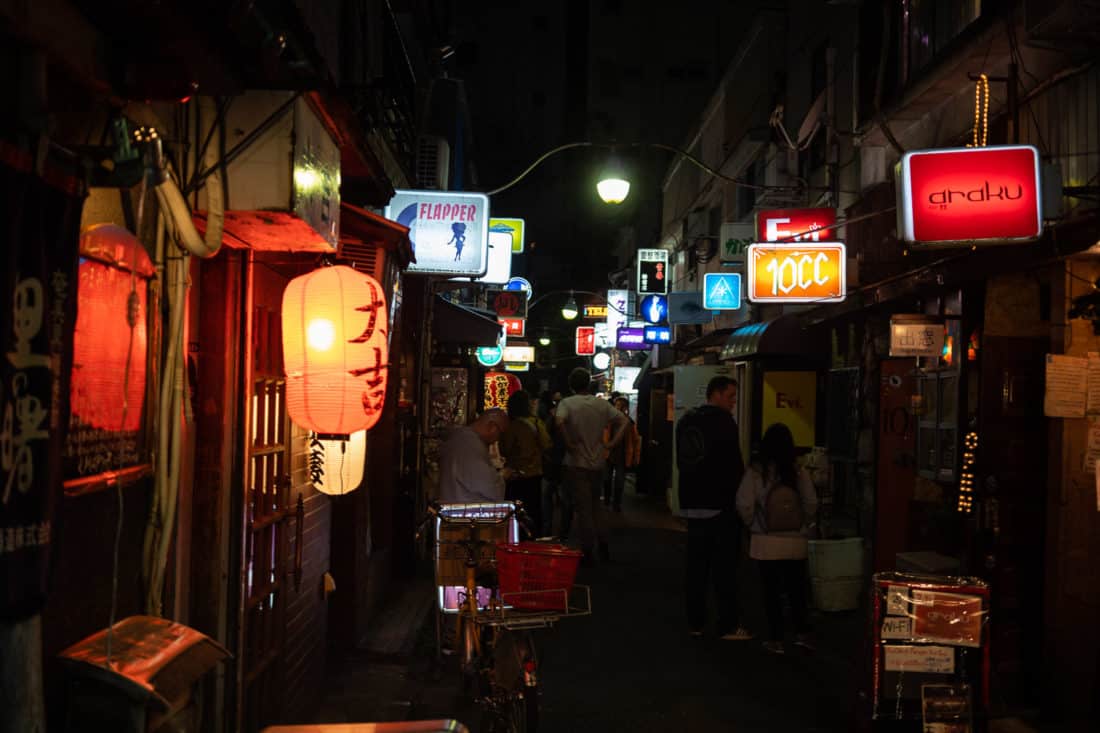
Golden Gai is another network of narrow lanes in Shinjuku, this time with tiny bars rather than restaurants.
Many have cover charges and don’t allow foreigners, but you’ll see signs in English for the more welcoming ones.
Be aware of touts in this area, and avoid bars that have anyone encouraging you to go inside—they are often hugely overpriced.
We haven’t been to the Golden Gai for a few years, and I’ve heard it has become largely dominated by tourists these days. It might now be one to go for a quick wander, and then drink elsewhere.
Details: From 7 or 8 pm until early morning (at 8 pm on a Friday it was pretty quiet). 10-minute walk from the East Exit of Shinjuku Station.
23) Shibuya Crossing

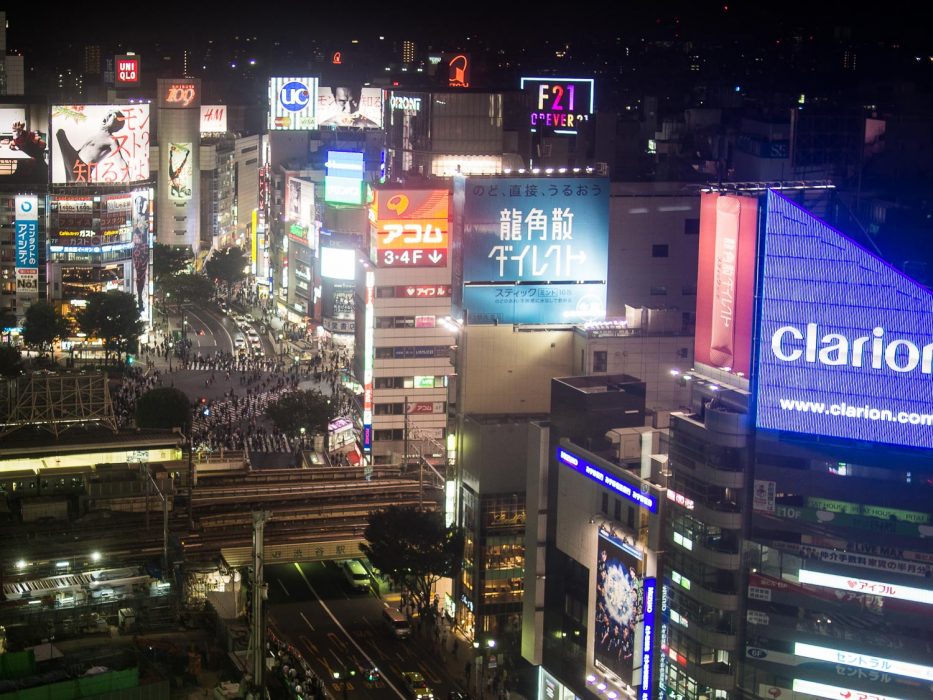
One of Tokyo’s most iconic sights is the busy pedestrian crossing outside Shibuya Station known as Shibuya Scramble Crossing or Shibuya Crossing.
You can delve into the crowd yourself or get a view from above at the busy Starbucks or the quieter (but more distant) 11th floor of the Hikari Building. Next time I also want to try viewing it from the rooftop bar, Mag’s Park Rooftop (drink purchase required).
While you can also visit during the day, the crossing is most dramatic at night when it’s neon-lit from the signs above.
Details: Find it just outside Shibuya Station.
24) Shibuya Sky Observatory

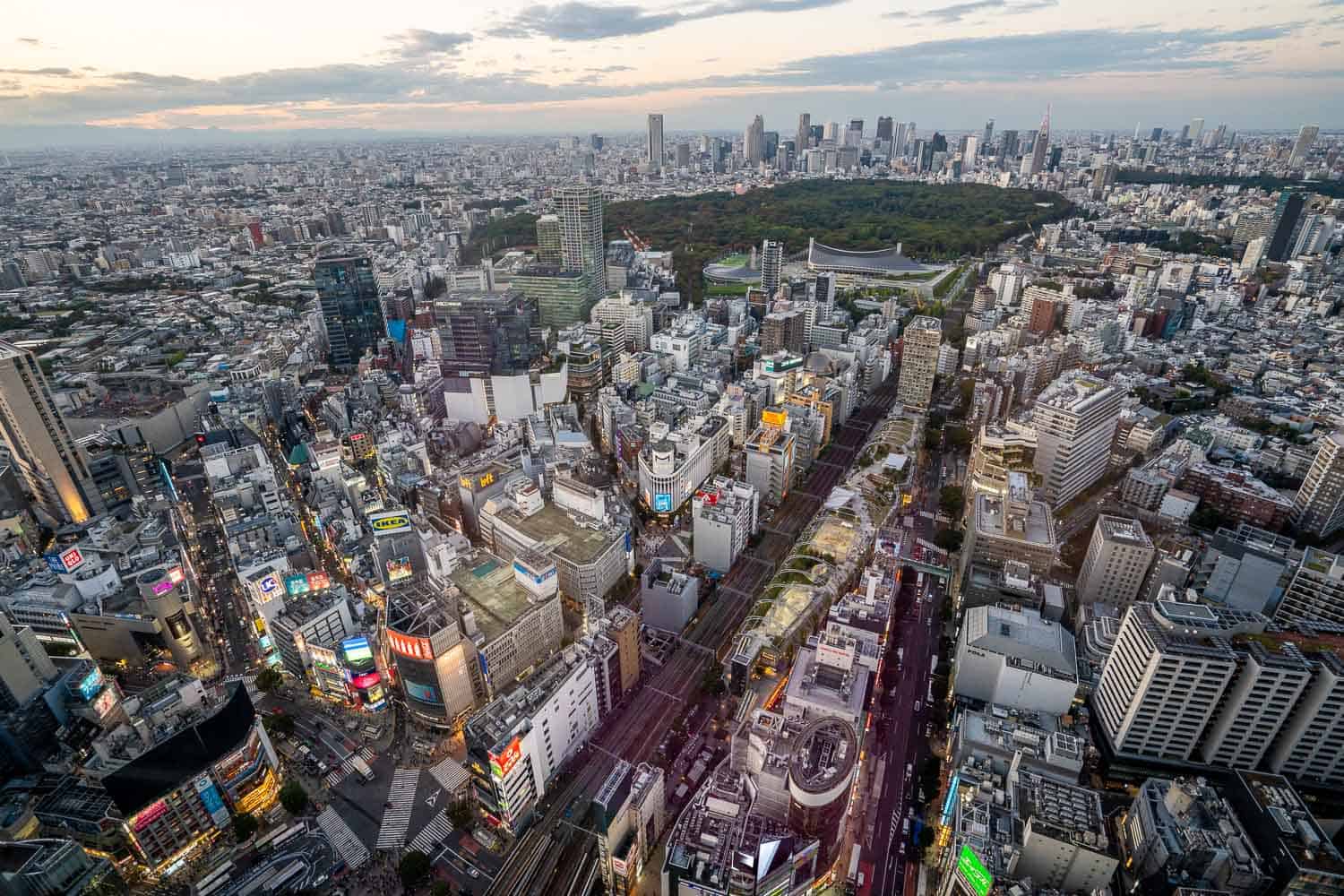
Shibuya Sky has the best view of Tokyo. At 228 metres, it’s the tallest skyscraper in Shibuya and towers above Shibuya Scramble Square.
What makes it unique is that the top floor is open-air with 360º views of the city including the Shibuya Crossing, Yoyogi Park, Tokyo Tower, Tokyo Stadium, and even Mt Fuji if it’s clear. You can really appreciate the scale of the huge city.
While you can also enjoy the view during the day, I love Tokyo’s skyline at night.
Sunset is the perfect time for both day and night views, but you’ll need to book exactly 2 weeks in advance at midnight JST to secure the most coveted (and crowded) time-slot—one hour before sunset.

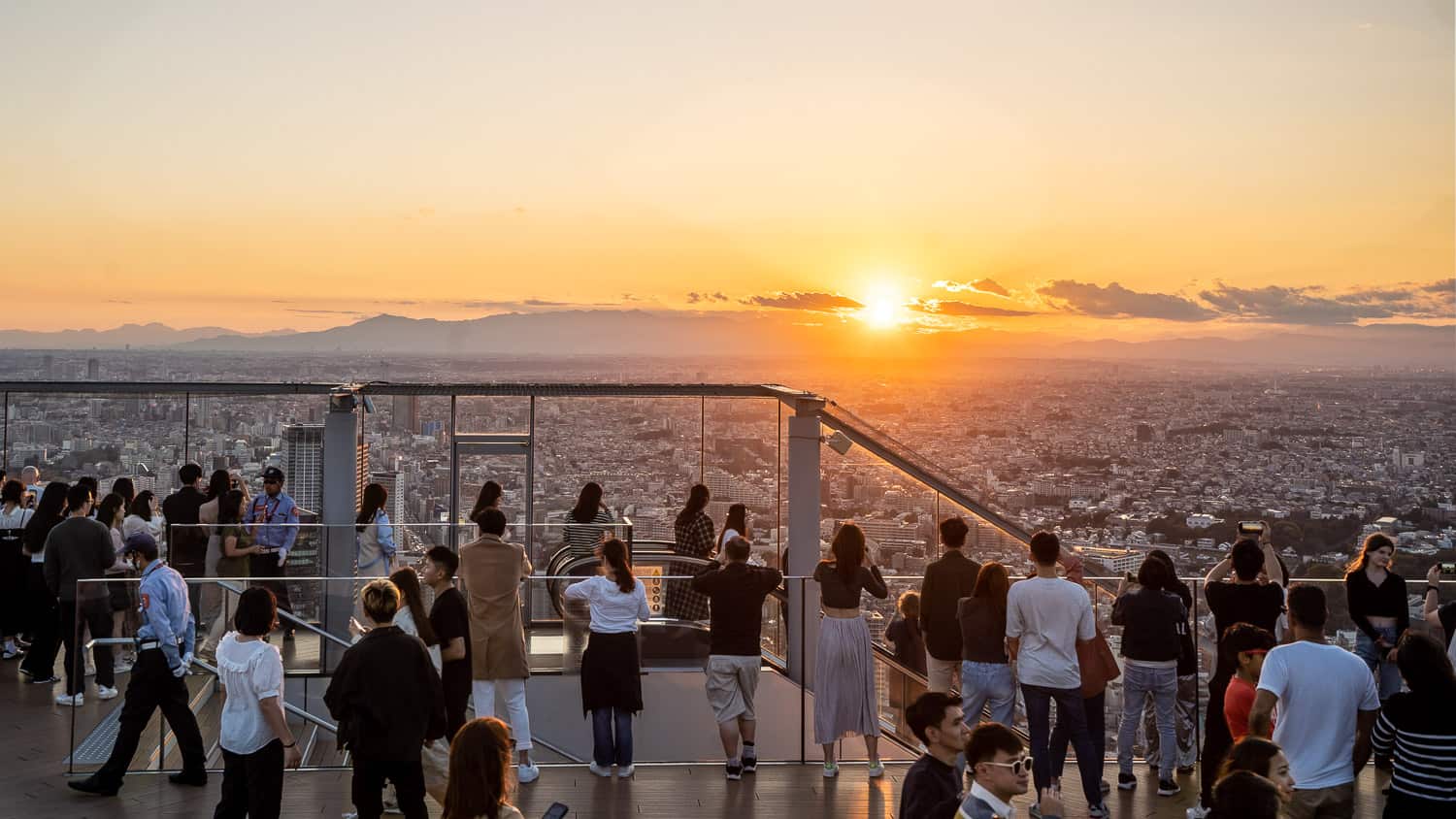
While the Sky Gallery floor isn’t open-air, we still enjoyed the views there and it was much quieter than the roof. There’s a bar with comfy seating too. We spent nearly two hours going back and forth between the two floors, watching the city change in different lighting.

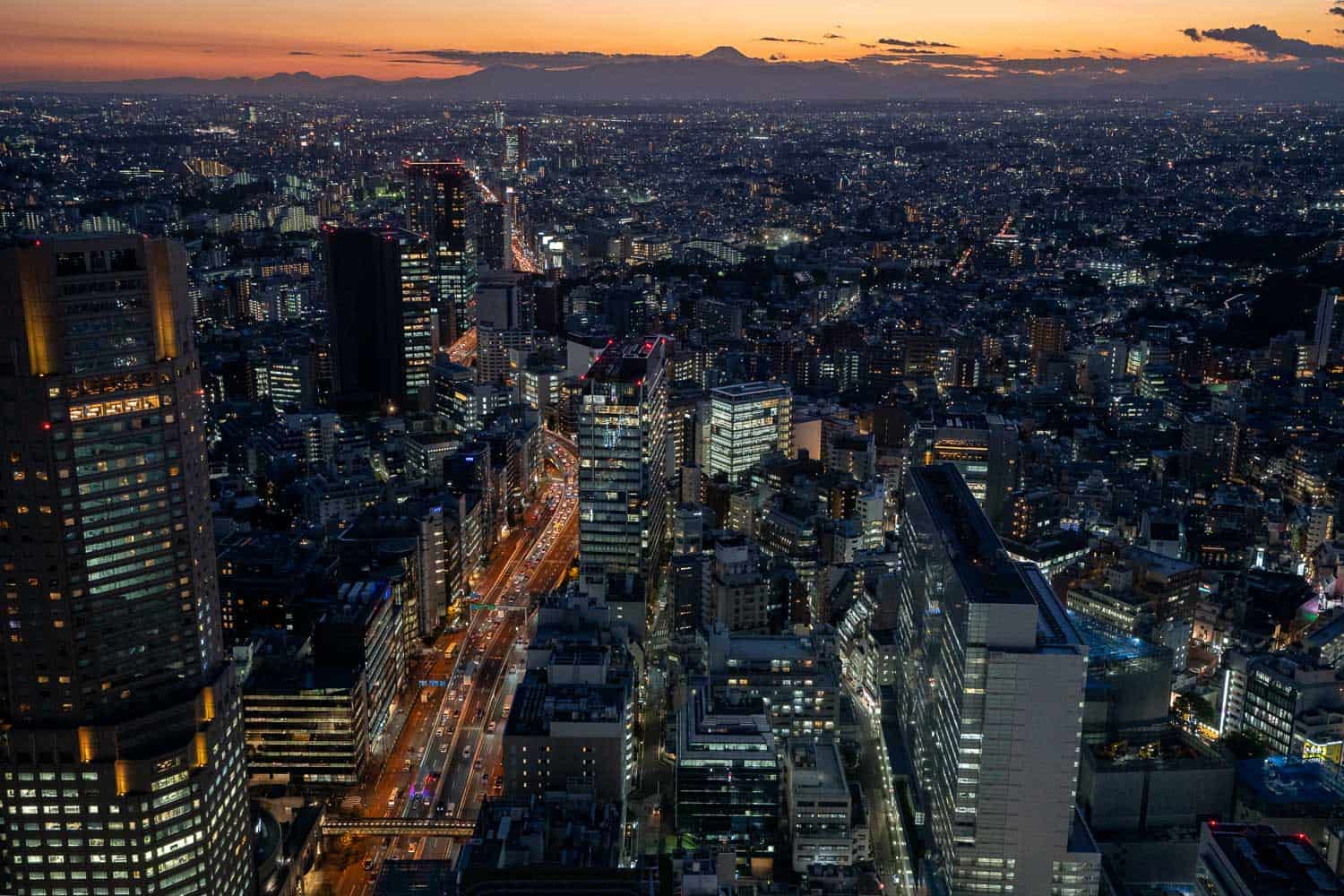
Details: Shibuya Sky costs from 2700 yen ($17) for adults if you book online—buy your ticket on Klook here. You can also book via the Shibuya Sky website, but you’ll have to create an account.
Open 10am – 10.30pm.
It’s located next to Shibuya Station—follow the signposts in Shibuya Scramble Square building to the elevators and go up to the 14th floor where you show your ticket and wait for another elevator up.
25) Rent a Private Karaoke Booth

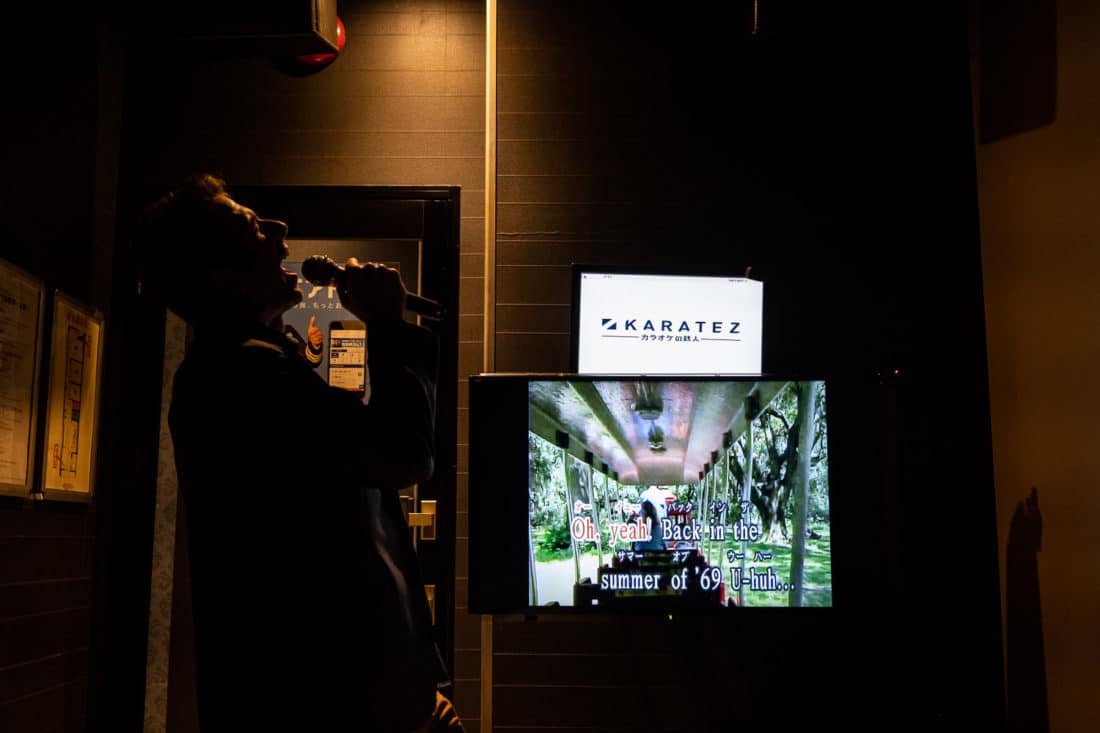
One of the most iconic experiences in Japan is singing karaoke. There’s no need to embarrass yourself in front of a crowd as it’s very common in Japan to rent a private karaoke booth.
Booths come in all sizes, so this is an option whether you are with a partner or a group of friends.
Just choose your favourite songs from the tablet and sing along with the cheesy videos.
Details: There are karaoke places all over the city. We went to the Shinjuku Station branch of the affordable karaoke chain, Karaoke no Tetsujin. Even on a Saturday night it only cost us 400 yen ($3) per person for 30 minutes including an alcoholic drink. It’s cheaper during the week.
26) Watch a Kabuki Theatre Performance

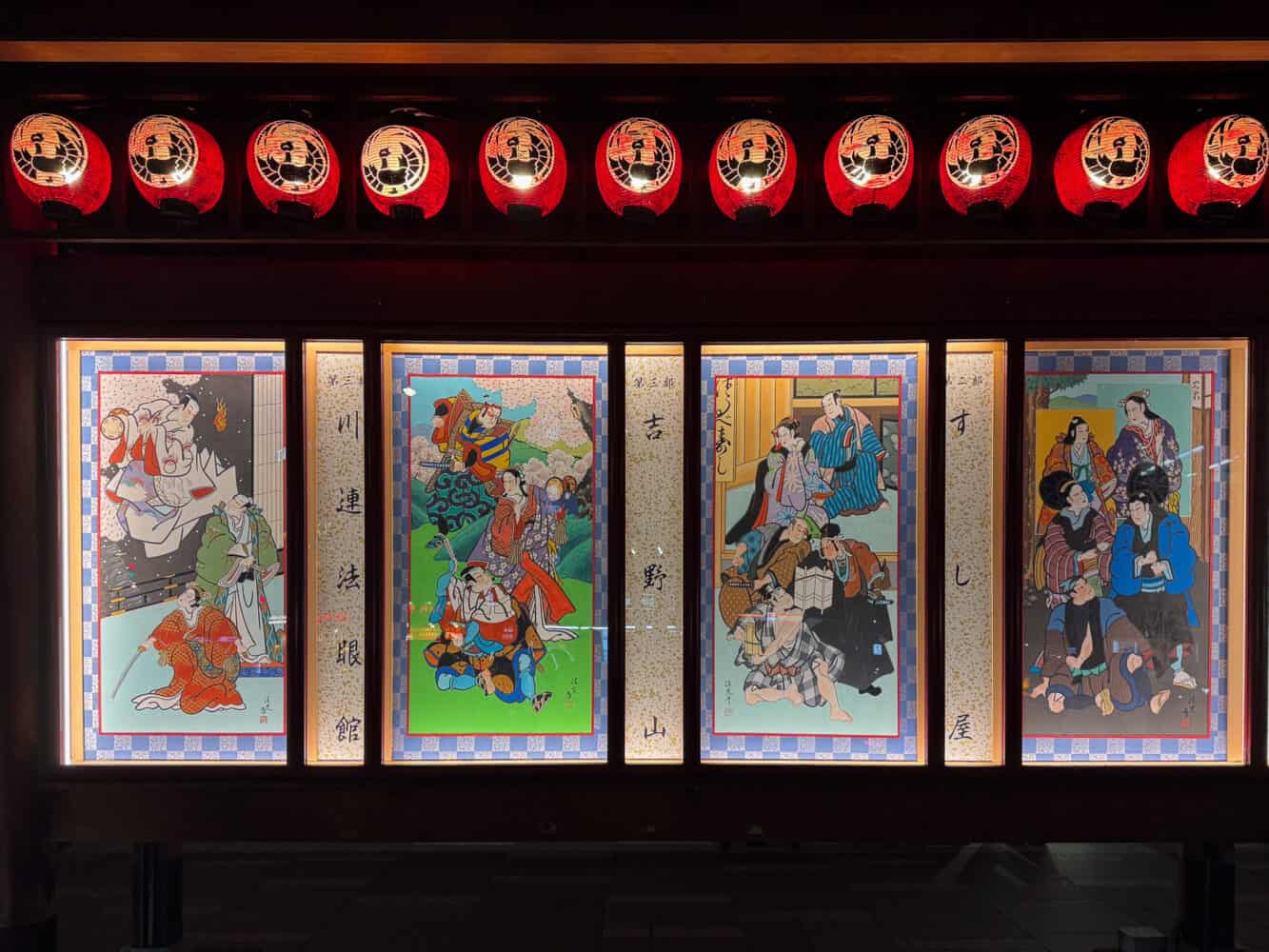
On our last visit to Tokyo, we finally got to see a performance of Kabuki, a Japanese dance and drama with elaborate makeup and costumes.
Kabuki plays can last all day, so we just booked a single-act ticket in the evening to see the last act of the play. Ours lasted 1 hour 15 minutes, but some acts are shorter.
A single act was ideal for us, as the plays are rather slow-paced for modern tastes. We enjoyed the experience and it felt like a unique taste of Japanese culture.
I definitely recommend renting a tablet (1000 yen cash only) with the English translation. We’d have had no idea what was happening otherwise.
Details: We went to Kabuki-za Theatre in Ginza. Check their website for the upcoming schedule.
You can book reserved single-act tickets online from 12pm the day before the performance. Prices vary but we paid 3500 yen ($22).
The single act area is on the 4th floor, but our view was fine. You have to use a separate entrance, which is to the left of the main one.
Our Tokyo Bucket List for Next Time
Although we’ve spent many weeks in Tokyo over five trips, we still haven’t had time for all of the unique things to do in Tokyo. On our wish list for our next visit are:
- Do a Tea Omakase to try a variety of Japanese teas.
- Take a Kintsugi Workshop to learn the art of repairing pottery with gold.
- Explore the bohemian neighbourhoods of Koenji and Nakameguro.
- Visit the Mori Art Museum and see the view from the Observation Deck at night.
- Make a day trip to the temples and beaches of Kamakura.
- Take a Taiko drumming class.
New in 2026
Here are the newest attractions in Tokyo to look out for in 2026:
- The new Pokemon theme park, PokePark Kanto, opened on 5 February 2026. It’s located about 30 minutes from the centre of Tokyo. Tickets for international guests are available two months in advance at 6pm JST and are selling out fast.
- The Edo-Tokyo Museum is due to reopen on 31 March 2026 after a major renovation.
- We’re particularly excited about Tokyo DisneySea’s 25th anniversary celebration “Sparkling Jubilee”, which runs from 15 April 2026 until 31 March 2027.
Tokyo Activities Map
Our map shows all the best things to do in Tokyo mentioned in this post.
Where to Stay in Tokyo
I think Shinjuku is the best place to stay in Tokyo for first timers for its excellent access to transport, good food, and many of the attractions above.
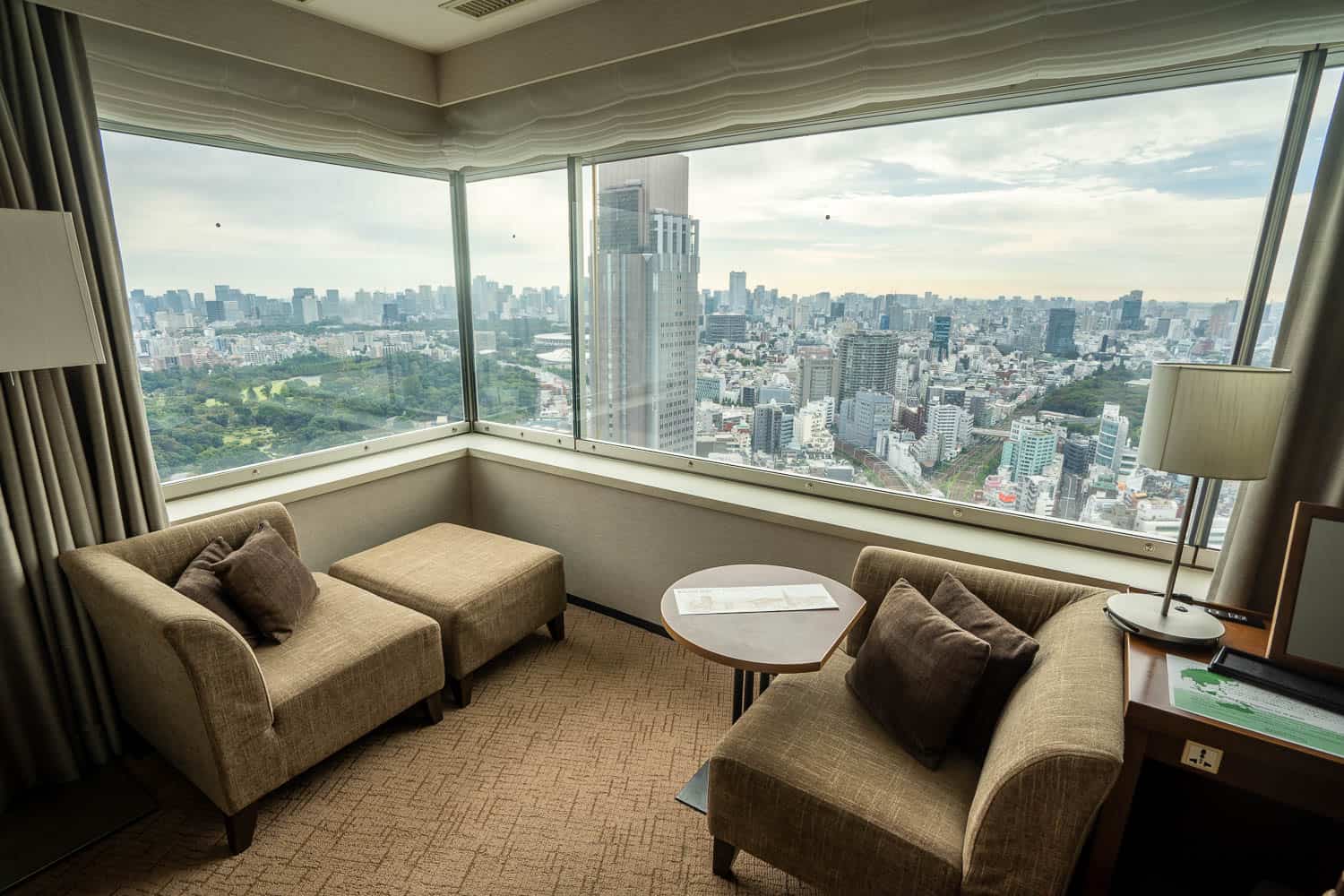
Our favourite hotel is Hotel Century Southern Tower, which is only two minutes from Shinjuku Station.
Our Panoramic King room was much larger than the usual tiny Japanese hotel room and had incredible views of Shinjuku Gyoen and the city. Check availability here.

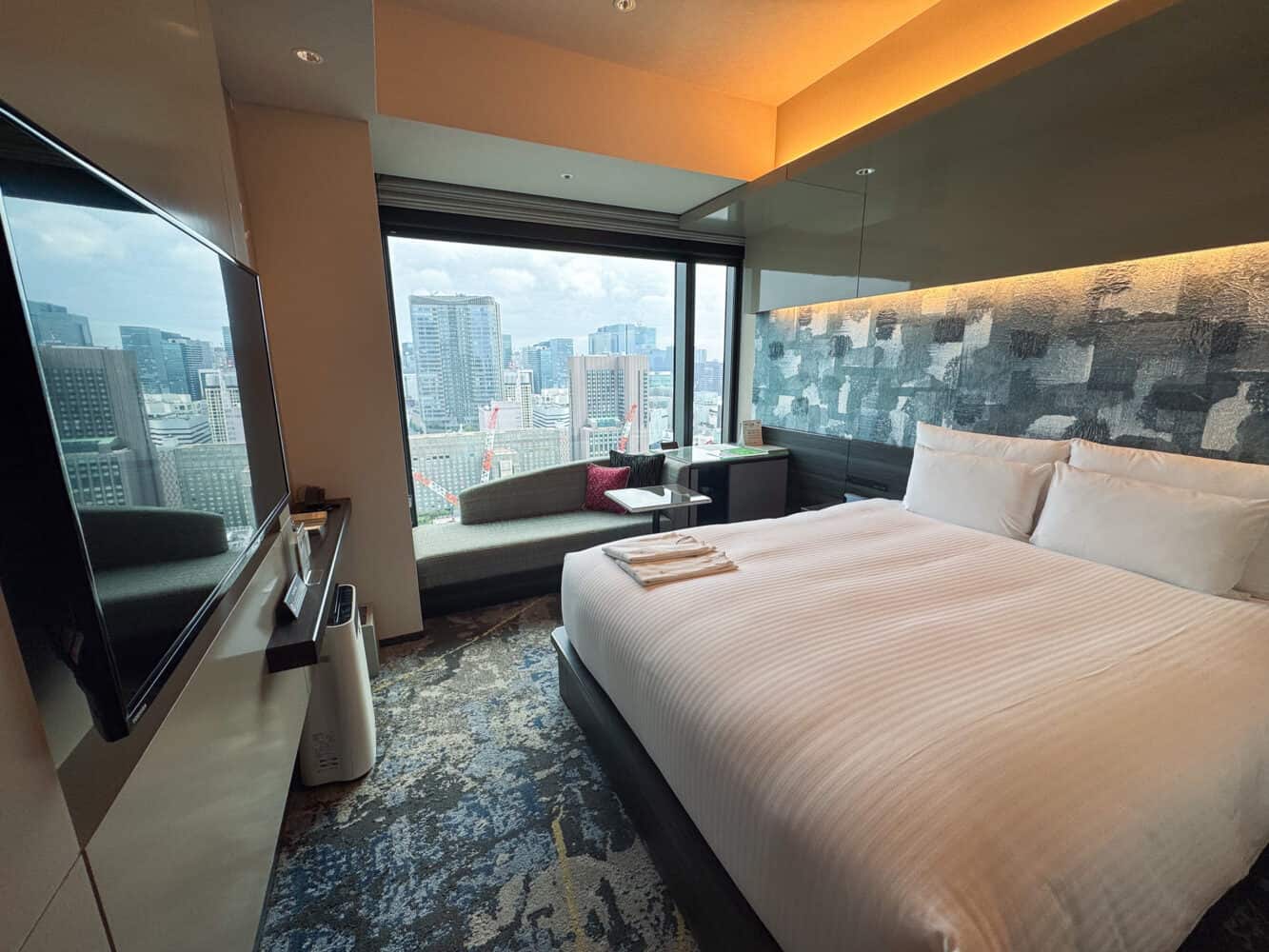
On our last trip, we also loved our stay in Shimbashi (near Ginza). It was less hectic than Shinjuku, had excellent transport links, and it was more convenient for attractions in eastern Tokyo (like TeamLab Borderless and the Kabukiza Theatre, which we walked to).
We stayed at The Blossom Hibiya and loved the stylish rooms, all of which have stunning city views. Our Superior room was compact but well designed (with a comfy bed), and there’s a communal lounge with free drinks.

Don’t forget travel insurance as Japanese health care is expensive—we have used and recommend SafetyWing (affordable, worldwide), Heymondo (more comprehensive, worldwide), and True Traveller (UK and EU residents).

Getting Around Tokyo
Staying Connected
Buy an Airalo digital eSIM before you arrive for affordable data (and no need to swap out your current SIM). Having access to Google Maps makes it so much easier to get around.
From the Airport
The Narita Express train is the easiest way to get from Narita Airport to Shinjuku, Shibuya and Tokyo stations. It’s comfortable, direct, and you reserve a seat. It takes about an hour to Tokyo Station and nearly 1.5 hours to Shinjuku.
From the closer Haneda Airport you have to take commuter trains and will need to change at least once, so we prefer a taxi. We booked this Haneda Airport pickup on Klook, which made arrival easy (it took 45 minutes to Shinjuku).
Getting Around
An IC transport card such as Suica or Pasmo (they work the same) is the easiest way to travel on trains and metros in Tokyo (and other local routes in Japan)—just tap in and out of stations.
You can also use it for lockers, vending machines, and even in many shops.
Physical Suica cards can be bought at JR train stations.
Or, even easier, add Suica to Apple Wallet on your phone or watch, which is what we do. Unfortunately, this doesn’t work for Android phones bought outside Japan.
Use Google Maps for transit routes around Tokyo and Navitime to check train times elsewhere in Japan.
More Japan Posts
Our Tokyo Travel Guides
- 18 Best Things to Do in Shinjuku, Tokyo
- Why Shinjuku is the Best Area to Stay in Tokyo
- TeamLab Planets Review: Is It Worth It?
- TeamLab Borderless Review and Tips
- 18 Best Vegetarian Restaurants in Tokyo
- Robot Restaurant: The Most Insane Show in Tokyo
- 14 Best Tokyo DisneySea Rides for Adults
- 13 Best Tokyo Disneyland Rides for Adults
Other Japan Posts
- Planning a Trip to Japan: Dos and Don’ts
- 56 Best Things to Do in Japan for an Unforgettable Trip
- Two Weeks in Japan: A Detailed Itinerary
- Is a Japan Rail Pass Worth it?
Final Thoughts
On our first trip to Japan, Tokyo just didn’t compare to the beauty and tradition of Kyoto, but on more recent visits we’ve come to appreciate it for all the fun things to do, diverse neighbourhoods, and fantastic food (and coffee for Simon).
We always return here when we visit Japan and never run out of things to do.
I hope this post has helped you decide what to do in Tokyo for a fun trip. Let me know if you have any questions in the comments below.
What are your favourite things to do in Tokyo?
If you enjoyed this post, pin it!


Thank you for this list. It really helped us get an idea what to do. What confused me was that you mentioned Jiyugaoka station and Joshinji are 10 minute walk apart but in reality they are in different parts of the city. Is this a typo or did they move the temple?
Kuhonbutsu Joshin-ji Temple is a 10-minute walk from Jiyugaoka. I’ll update the post to avoid any confusion.
I wish people like you would stop recommending Golden Gai. It’s so dangerous and almost sadistic to do so. I was there in 2019 and then I walked past it in 2023 and saw the same thing… Nigerians in groups of 3-4 all over the place, trying to charm and intimidate foreigners to empty bars where they’re drugged and they wake up missing thousands of dollars from their accounts. It’s not just Golden Gai, but it’s definitely a problem there. If you’re going to recommend it, at least be honest and have a disclaimer. Tokyo is so safe, except when it comes to nightlife areas that cater primarily to tourists like that. There are soooooooooooo many great bars all over the place, but Golden Gai is not a place to be.
Hey thank you so much for telling me this cool info I could really use it because I have a essay about Tokyo and I needed something about what you would do in Tokyo so thank you very very very very very very very very much!
Thanks for tell me what cool things there could be in Tokyo!
Which area in Tokyo would you recommend to stay in? 😊
I recommend Shinjuku: https://www.neverendingvoyage.com/best-area-to-stay-in-tokyo/
Has anyone traveled to Japan / Tokyo recently? I’m curious how much Yen to bring versus Credit cards. Family of 4 traveling over Thanksgiving 2023.
Thanks!
We’re actually in Tokyo now. It really varies – there are definitely more places accepting credit cards than pre-covid, but we still need cash in some places (mostly smaller restaurants and cafes). We have probably needed cash in about 30-40% of the places we’ve eaten in. In the last week we spent about $150 (22,000 yen) in cash for the two of us.
It would be easier to withdraw cash when you are here so you can take it out as needed (7/11 ATMs are most reliable).
Amazing list, thank you for taking the time!
This is a question not a comment, are they pictures of your crew or are they off the Internet?
They are pictures of us!
This was so help full I had a grate time in Tokyo thank you.
This is great information and the photos are a plus. Thank you for sharing this, I def am adding this to my travel notes for Tokyo.
Thanks and enjoy Tokyo!
datePublished”:”2019-11-21T00:00:29+00:00″,”dateModified”:”2020-01-19T07:19:03+00:00″
I don’t think this article was published in November 2017.. Your page source says otherwise.
It was originally written in 2017 and then updated and republished in 2019 (after another Japan trip), hence the new published date. We try to keep our posts as up to date as possible.
Hi
I’m in Uk and want to go but I’m worried that I don’t speak the language. Is it possible to navigate without learning any?
Also, I’d like a package holiday so we have rep/ guide And transfers too. Which travel company would you recommend?
You can get by without any Japanese but Google Translate comes in handy! We don’t have any experience with tour companies but our friends went with G Adventures.
Hi guys,
I’m so excited I found your website! I’m looking to travel for my first time ever and I’m heading over to Tokyo from Canada!
As I’m going through your website, I clicked an affiliate link to Japan Railway Pass – I just wanted to mention that it stayed on the same window to direct me. It might be easier of a UX experience to have any affiliate link open up in a separate window so that we don’t lose track of where we are :)
I’m so excited to go through all of your Japan content and be extra prepared for this trip – I appreciate all the help, thank you~
Thanks Katie and I hope you have an amazing time in Japan!
There are mixed feelings on the best user experience with links. We decided not to have them open in new tabs as people can decide that for themselves by right clicking on the link and “opening in a new tab”.
Some great ideas presented in the Top 17 Things to do. Have a great time!
Thank you for this list, it’s super useful for planning my first trip to Tokyo. BTW, I’ve heard that on the Memory Lane there are a lot of small restaurants serving only regular customers and they don’t allow tourists to come in, just like on the Golden Gai. Have you experienced that? It is worth to try the tourist-friendly ones? Aren’t they just overpriced? Thanks, Zooey
I don’t remember Memory Lane having many places like that. We didn’t eat inside though as we’re vegetarian (it’s a lot of grilled meat). I recommend going for a wander anyway, as it’s a fascinating street, and if anywhere catches you eye, stop for a bite. If not, there are plenty of restaurants nearby.
Maricar is currently being sued by Nintendo for copyright infringement…
To website administrator: You probably should delete it.
I will be updating the post. They still run the go kart tours but you just have to dress up as non-Mario characters now.
Interesting tips! Leaving in March for a three week trip. I can’t get an international driving license sadly because I reside in Zurich. We would have loved to have done the Karts in Tokyo! Thanks for the good read.
Useful info! We’re heading there in a few days and are eager and anxious.
Enjoy!
Why don’t you eat meat?
I really need to go to Tokyo some time! Looks amazing!
It really is an amazing city and unlike anywhere else! I hope you make it there one day!